
The Truth About Culture Fit From a Recruiter's Pov (2026 Complete Guide)
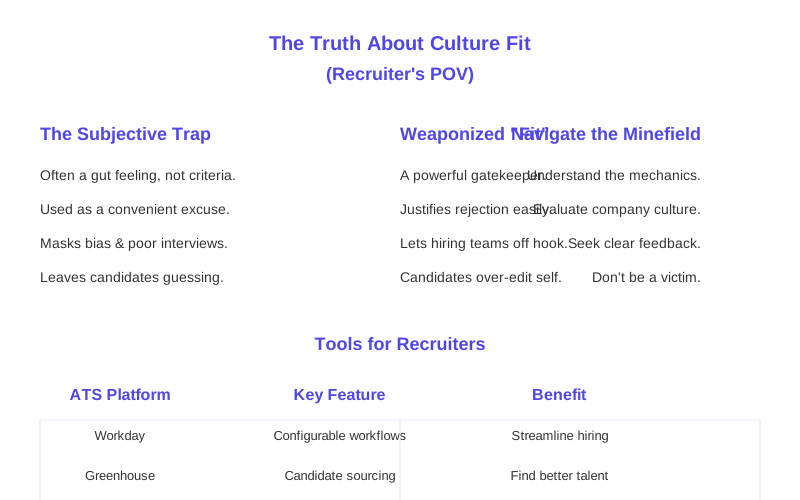
I once sat in a hiring committee meeting where a candidate for a Senior Product Manager role was rejected after a 43-minute discussion, not because of their skills, but because they 'didn't seem like the type to grab a beer after work.' I've seen this play out thousands of times.
I once sat in a hiring committee meeting where a candidate for a Senior Product Manager role was rejected after a 43-minute discussion, not because of their skills, but because they 'didn't seem like the type to grab a beer after work.' I've seen this play out thousands of times. That's the dirty little secret of 'culture fit' - it's often a subjective gut feeling dressed up as a strategic hiring criterion.
The Introverted Recruiter nails it: it's a catch-all rejection.
For nearly two decades, I've been on both sides of the table. I've configured applicant tracking systems like Workday and Greenhouse, and I've been the recruiter frantically trying to hit my quarterly hiring numbers. I know how easy it is for a hiring manager to lean on 'culture fit' as a convenient excuse, especially when they can't articulate the real reason they're passing on someone.
It's not just a buzzword; it's a powerful gatekeeper that can make or break your job search. I've seen it used to justify everything from unconscious bias to simply avoiding a difficult conversation about a candidate's actual performance during an interview loop. It lets hiring teams off the hook.
Candidates often hear this vague feedback and have no idea how to improve. My goal here is to pull back the curtain on this hiring theater. I'll show you how 'culture fit' is actually weaponized and how you can stop being a victim of it. Many people over-edit themselves trying to fit in, when they should be evaluating the company's culture instead.
We're going to talk about the mechanics behind it, the recruiter brain that processes it, and what you can do to navigate this minefield. Because frankly, you deserve better than a rejection based on someone's vague sense of 'vibe.'
The Real Answer
The real answer is that 'culture fit' is rarely about aligning with a company's stated values; it's about minimizing perceived risk and maximizing comfort for the existing team. As a recruiter, my primary directive was to fill roles efficiently and avoid bad hires. A 'culture fit' candidate was seen as someone less likely to cause friction or leave quickly, saving me the headache of reopening a req.
Culture-fit hires tend to stick around longer, which means less work for me.
From a hiring committee's perspective, especially in smaller companies using Lever or Greenhouse, 'culture fit' often devolves into a subjective popularity contest. If a candidate made the interviewers feel good, they were a 'fit.' If they challenged norms or simply didn't mesh with the dominant personalities, they were 'not a fit.' It's a human shortcut.
This isn't about deep philosophical alignment; it's about a recruiter's workflow and a hiring manager's desire for an easy path. When I had 20 open roles, I wasn't diving into cultural anthropology. I was looking for signals that a candidate wouldn't cause problems down the line. That's the cold, hard truth.
It allows for lazy decision-making. Jake Sohn points out that it's often a biased and dangerous myth in talent acquisition. It's faster to say 'no culture fit' than to pinpoint a tangible skill gap.
The hiring committee wants to feel good about their decision. A candidate who feels familiar, who laughs at the same jokes, and who seems to fit into existing social cliques is an easy 'yes.' Anyone else creates mental friction, and friction slows down the hiring process. My recruiter brain hated friction.
What's Actually Going On
What's actually going on when 'culture fit' is invoked is a mix of human psychology, systemic biases, and the practical demands of a recruiter's job. It's less about your personality and more about the company's internal dynamics and the hiring team's comfort zone.
Recruiter Workflow Pressure: I was measured on time-to-fill and candidate satisfaction. If a hiring manager rejected someone for 'culture fit,' it was easier for me to accept it and move on to the next candidate than to push back and demand objective criteria. My job was to keep the pipeline moving.
Hiring Committee Dynamics: In many organizations, particularly those using Greenhouse or Workday, the final decision often involves a 'bar raiser' or a committee vote. 'Culture fit' becomes the vague reason to veto a candidate even if their skills are exceptional. It's a convenient shield for personal preference or unconscious bias. Reddit users often note it feels like a fancy way to say 'we didn't like them.'
Lack of Objective Metrics: Unlike skills, which can be assessed via technical tests or portfolio reviews, 'culture fit' is inherently subjective. HR departments try to define it with values like 'collaboration' or 'innovation,' but in practice, it's often a nebulous 'vibe check' during interviews. Interview questions designed to test culture fit are often open to wide interpretation.
Company Size and Type: In small, early-stage startups using Lever, 'culture fit' often means 'can this person survive our chaotic, under-resourced environment and also be my friend?' In larger enterprises, it might mean 'will this person conform to our established processes and political landscape without rocking the boat?' The definition shifts wildly.
Regulatory Avoidance: Sometimes, 'culture fit' is a convenient, legally safer reason to reject a candidate than admitting to a bias based on age, background, or personality that could lead to discrimination claims. It's a legal buffer, not a strategic advantage. Recruiters often act as gatekeepers, consciously or unconsciously.
The 'Mini-Me' Syndrome: Hiring managers, being human, often gravitate towards candidates who remind them of themselves or their existing high-performing team members. This creates a homogenous environment where true diversity of thought is stifled, all under the guise of 'culture fit.' It's human nature, and it's bad for business.


How to Handle This
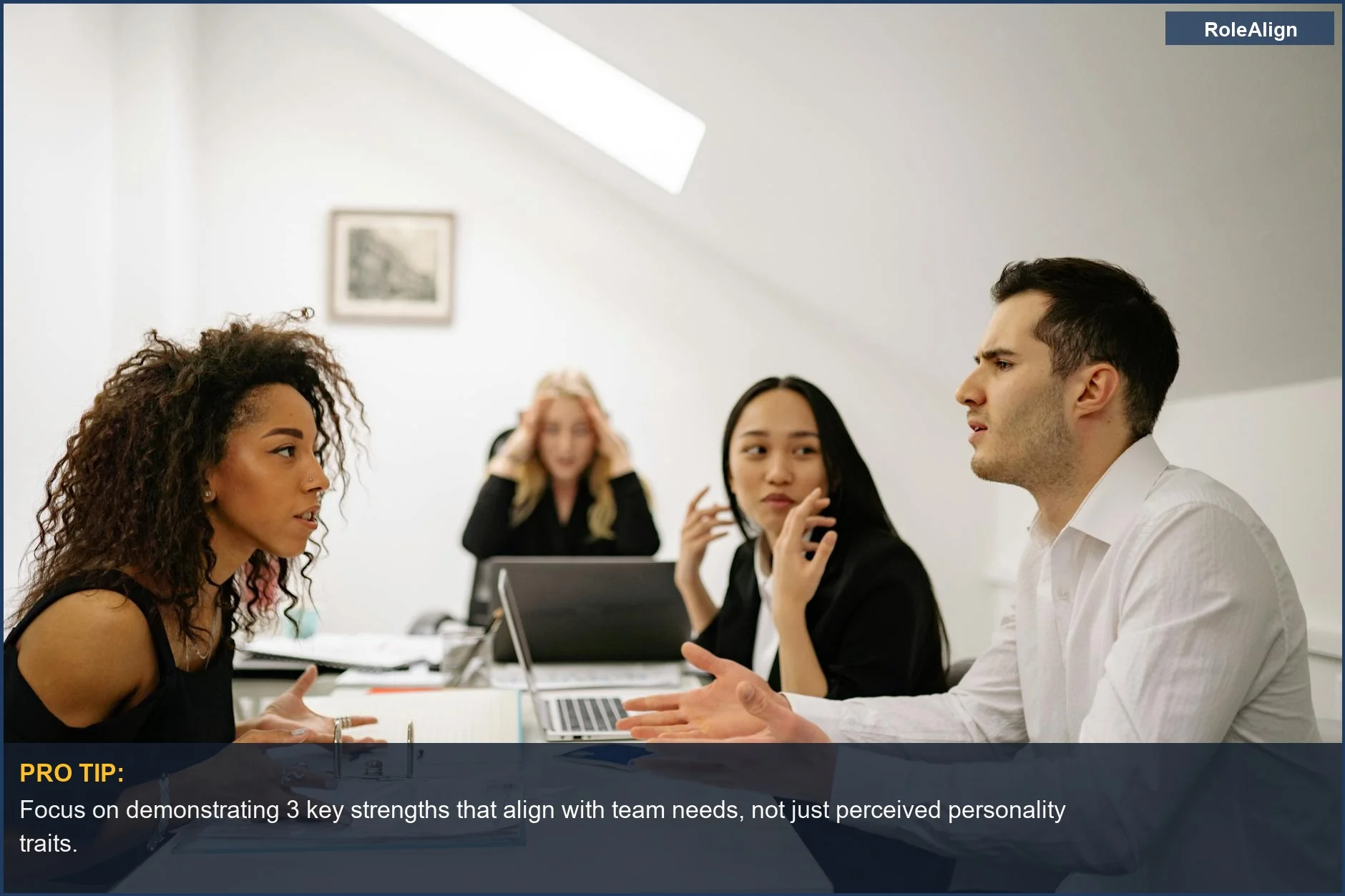
You need to stop trying to be a 'culture fit' and start demonstrating 'culture add.' The difference is critical. Recruiters and hiring managers don't want clones; they want people who enhance the team.
Step 1: Research the Real Culture (Not the Website Propaganda) Look beyond the careers page. Check LinkedIn profiles of current employees - what do they post about? What groups are they in? Read Glassdoor reviews, paying attention to specific complaints about management style or team dynamics. This reveals the actual operating culture.
Step 2: Identify Gaps and Opportunities Once you understand their real culture, identify where your unique experiences or perspectives could fill a gap or improve an existing dynamic. For example, if they value 'collaboration' but Glassdoor mentions poor cross-functional communication, frame your experience in building bridges between departments.
Step 3: Articulate Your 'Culture Add' in Interviews When asked about culture, don't just parrot their values. State a value, then provide a specific example of how you've lived it and, crucially, how your unique approach to that value would benefit their team. For instance, 'I value innovation, and my experience leading 3 agile sprints where we cut development time by 15 percent could bring a fresh perspective to your current product cycle.'
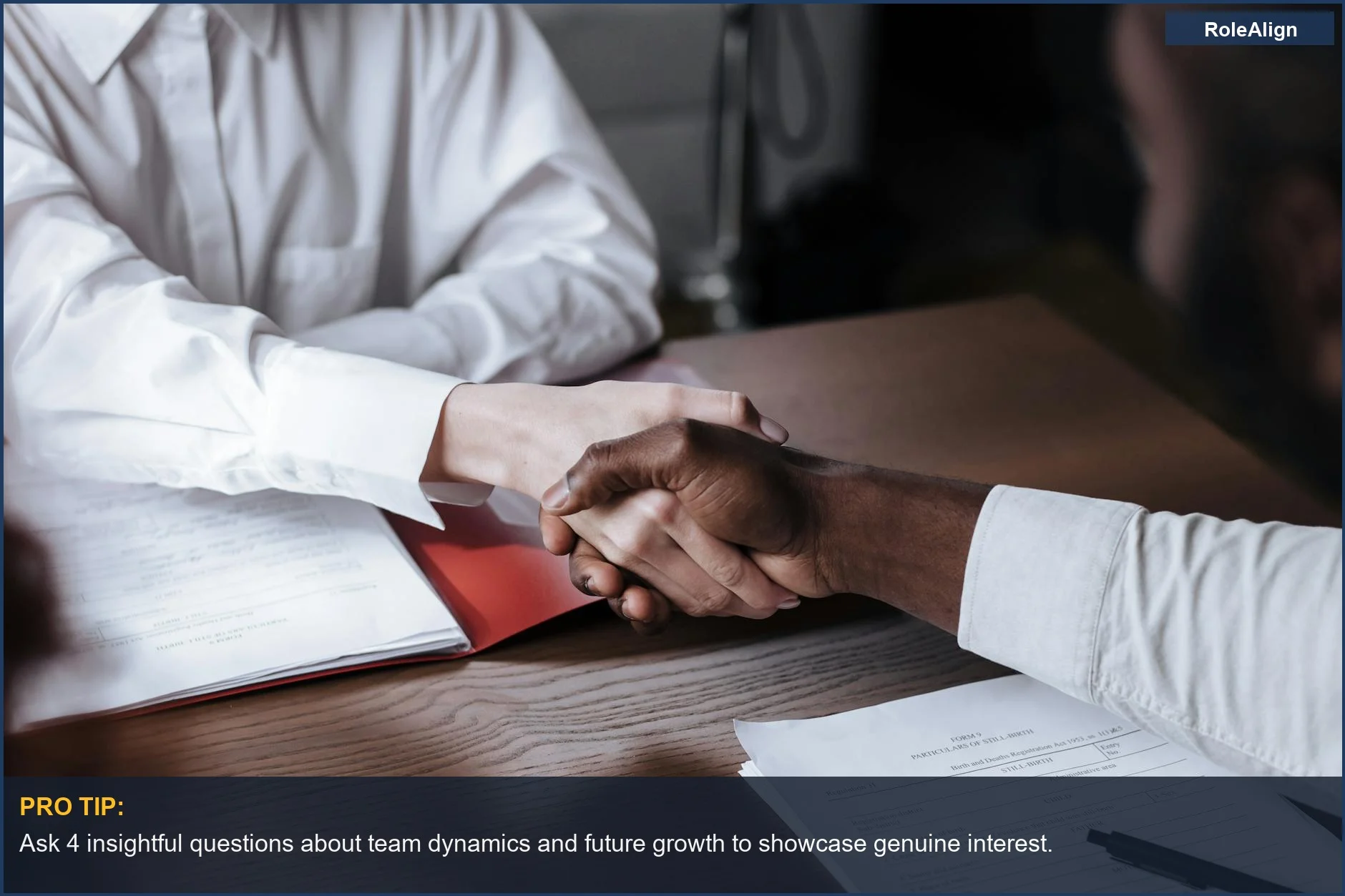
Step 4: Ask Probing Questions Turn the tables. Ask interviewers: 'What's a recent challenge your team faced, and how did different personalities contribute to finding a solution?' Or, 'How does the company ensure diverse perspectives are heard when making critical decisions?' This shows you're evaluating their fit for you, and reveals their true cultural operating model.
Step 5: Follow Up with Specificity In your thank-you note, reference a specific cultural point discussed and reiterate how your unique background or approach would contribute. 'I particularly enjoyed our conversation about fostering psychological safety, and my experience implementing X program aligns perfectly with building that environment.' AI can't gauge culture fit, but your specific examples can.
Step 6: Target Companies with Explicit 'Culture Add' Focus Some progressive companies are moving away from 'culture fit' explicitly. Look for job descriptions or company values that emphasize diversity, inclusion, or 'culture contribution.' These are your best bets. The myth of cultural fit is being examined more closely now, so look for those signals.

What This Looks Like in Practice
I remember a startup where the hiring manager for a marketing role rejected a candidate because 'they didn't seem like they'd enjoy our Friday beer cart.' The real reason? The candidate asked too many questions about work-life balance, signaling they might not put in 60-hour weeks. My recruiter brain immediately knew the 'beer cart' was code.
Another time, a highly skilled engineer was passed over for a team lead role because 'they were too quiet for our boisterous team meetings.' The actual issue was the team lead wanted someone to echo their ideas, not challenge them. 'Culture fit' became a convenient excuse for conformity.
Scenario 1: The 'Team Player' Trap * Metric: Recruiter tracks 'new hire retention rate' (goal: >90 percent for 12 months). * Reality: Hiring manager interprets 'team player' as 'someone who won't question my decisions.' The candidate who raised thoughtful concerns during the interview was flagged as 'not a team player,' even if those concerns were valid.
Scenario 2: The 'Fast-Paced Environment' Smokescreen * Metric: Hiring manager's performance tied to 'project delivery speed.' * Reality: 'Fast-paced' often means 'disorganized and expects long hours.' A candidate asking about process documentation or project planning was seen as 'not a fit' for the 'fast-paced' culture, when they were actually trying to bring order. Gen Z candidates often prioritize work-life balance, which can clash with this 'fast-paced' narrative.
Scenario 3: The 'Informal' Interview Red Flag * Metric: HR tracks 'interviewee feedback scores' (goal: average >4.0/5). * Reality: An 'informal' interview can lead candidates to relax too much, revealing personality traits that the interviewer, consciously or unconsciously, dislikes. 'They were too casual' becomes the culture fit rejection, masking a personal dislike. Culture fit can be a popularity contest, and informality can expose you to that.
Mistakes That Kill Your Chances
Trying to guess what they want to hear is a surefire way to kill your chances. Your 'recruiter brain' can spot a faker a mile away. Authenticity, even if it's a little rough around the edges, is always better than a performance.
| Mistake | Recruiter's Internal Readout | Why It Kills Your Chances |
|---|---|---|
| **Over-editing your personality** | 'Generic, bland, no discernible spark.' | You disappear into the noise. Recruiters are looking for signal, not a beige wall. This is a common mistake that motivates recruiters to pass. |
| **Parroting company values** | 'Did they even read the job description, or just the About Us page?' | Shows lack of critical thinking and genuine interest. It's surface-level and unconvincing. |
| **Focusing only on 'fitting in'** | 'They want to be liked, not to contribute something new.' | You're not demonstrating value beyond being agreeable. Companies want growth, not just harmony. |
| **Failing to ask about team dynamics** | 'They only care about their role, not the environment.' | Signals you might be a siloed worker, which is a red flag for collaborative teams. |
| **Ignoring red flags in their culture** | 'This person is desperate, or not paying attention.' | If you overlook obvious issues (e.g., high turnover, bad Glassdoor reviews), it suggests a lack of discernment or desperation. |
| **Being overly critical of past cultures** | 'Troublemaker, blames others, won't adapt.' | While honest, it often reads as a lack of self-awareness or an inability to navigate different environments. |
| **Not showcasing your unique perspective** | 'Just another X candidate.' | You become interchangeable. If you don't highlight what makes you different, you're easily dismissed. |
These mistakes turn you into static in the recruiter's signal vs noise filter. My job was to find reasons to say 'yes,' but I needed you to give me something to work with.
Key Takeaways
The 'culture fit' narrative is often a smokescreen for subjective biases and a recruiter's need to quickly filter candidates. Don't fall for the hiring theater; understand the mechanics.
- It's often a risk-averse mechanism: Companies use it to minimize perceived friction or potential turnover, saving recruiters time and effort.
- Focus on 'culture add,' not 'culture fit': Demonstrate how your unique skills and perspective will enhance their team, not just blend in.
- Research beyond the surface: Dig into employee reviews and social media to understand the actual operating culture, not just the marketing fluff.
- Ask insightful questions: Turn the tables and assess if their culture truly fits you.
This shows discernment and confidence. * Be authentically valuable: Your goal isn't to be liked, it's to be seen as a contributor who brings something new to the table. Prioritizing skill fit over culture fit is a debate, but demonstrating both is your sweet spot.
By understanding the real reasons behind 'culture fit' rejections, you can navigate the hiring process with precision, turning a vague hurdle into an opportunity to showcase your distinct value.
Frequently Asked Questions
Is it worth paying for a 'culture fit' assessment service if I keep getting rejected?
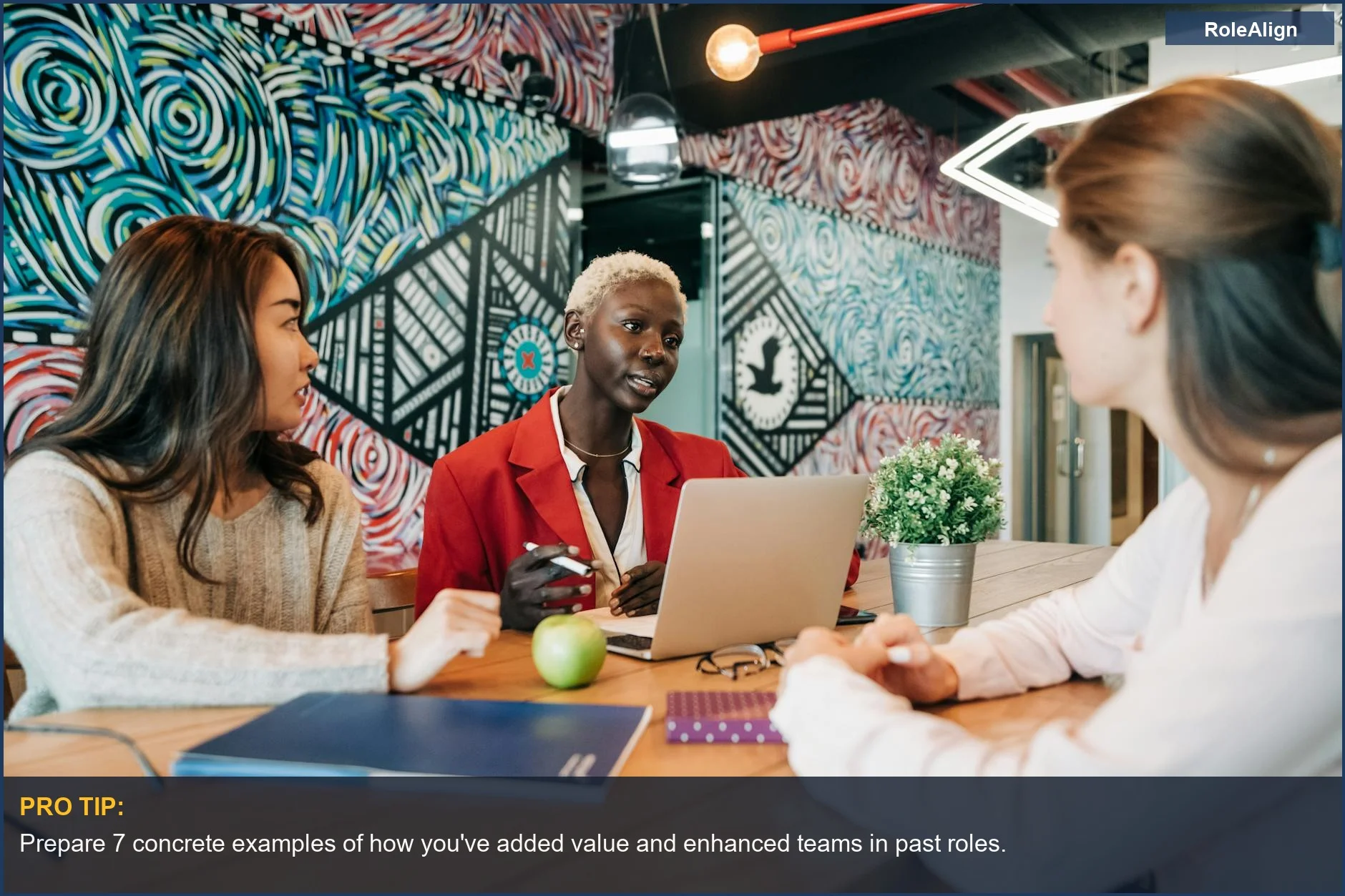
How many 'culture add' examples should I prepare for an interview?
What if I genuinely don't feel like I 'fit' with a company's stated culture during an interview?
Can focusing on 'culture add' instead of 'culture fit' permanently damage my chances if the company is old-school?
Is 'culture fit' really just a euphemism for 'we want someone who looks/acts like us'?
Sources
- Job Bank VC: Cultural Fit vs Skill Fit What Matters Most | 25.02.2026
- The Truth About 'Culture Fit': How It's Used Against Candidates
- The Lie We Tell Ourselves About Culture Fit - Recruiter.com
- Top 5 Interview Questions to Test Culture Fit in 2026 - YouTube
- 2026's Guide to Winning Over and Recruiting Gen Z Talent - Elevatus
- and she told me what most people do: treat it like a - Instagram
- Recruiting in Uncertain Economic Times (The 2026 Guide)
- Why "culture fit" is a bad hiring practice | Jake S. posted on the topic
- Cultural Fit: More Than Just a Buzzword (A Recruiter's POV) - LinkedIn
- The myth of cultural fit in recruitment job interviews - Bonelli - 2025
- Is it just me, or does "cultural fit" sound like a fancy way to say "we ...
- Keep hearing you're "not a culture fit"? After enough rejections, you ...