
Recruiter Insights Into Common Interview Performance Pitfalls (2026 Complete Guide)
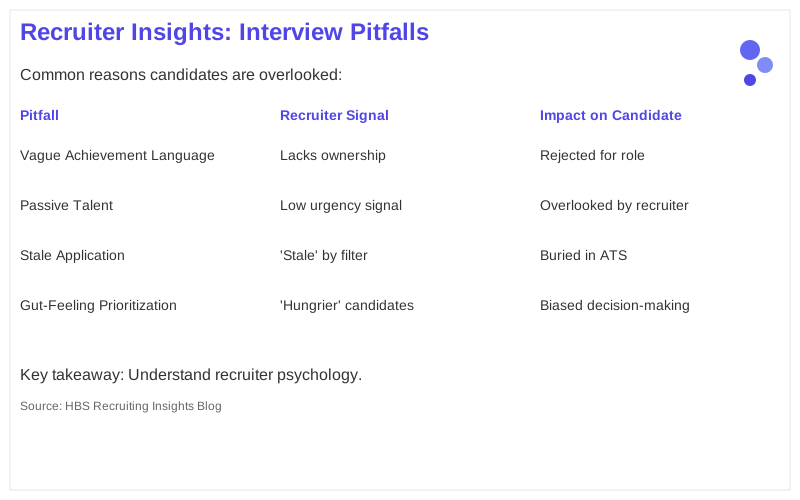
I once sat in a hiring committee meeting where a candidate was rejected for a Senior PM role after 43 minutes of deliberation, not because of their skills, but because they kept using 'we' when describing individual achievements. The hiring manager was convinced they lacked ownership, even though their previous company was known for a highly collaborative culture.
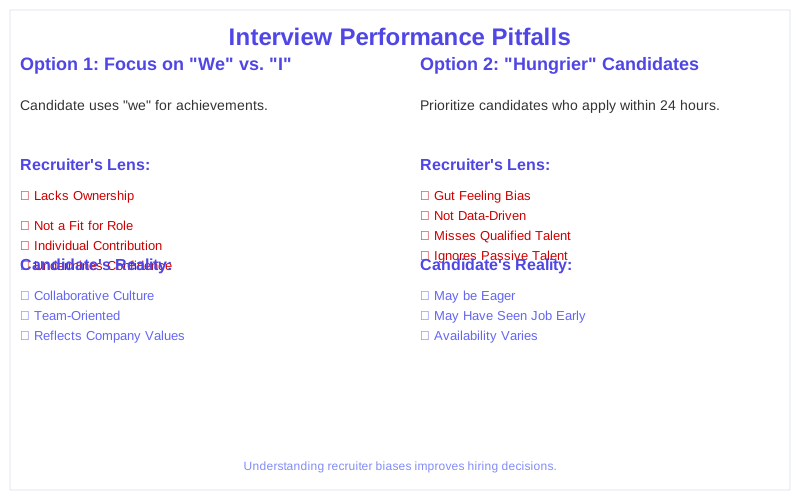
I once sat in a hiring committee meeting where a candidate was rejected for a Senior PM role after 43 minutes of deliberation, not because of their skills, but because they kept using 'we' when describing individual achievements. The hiring manager was convinced they lacked ownership, even though their previous company was known for a highly collaborative culture. This isn't about finding the 'best' person, it's about navigating the specific, often unspoken, psychological quirks of the people doing the hiring.
Experts at the Harvard Business School have pointed out how easily decision-making can be flawed.
Most job seekers think interviews are a pure meritocracy. I'm here to tell you that's about as real as a ghost job. I've built the ATS systems, configured the workflows, and, yes, been the recruiter who skipped over perfectly qualified candidates because my 'recruiter brain' was overwhelmed and looking for specific, easy-to-spot signals. Headhunting today involves shorter candidate attention spans and more passive talent, meaning recruiters are constantly under pressure.
The 'ATS black hole' is real, but so is the human element that turns a perfectly good candidate into a statistical anomaly. I've seen Greenhouse profiles get buried because the candidate's last activity date was 90 days ago, making them 'stale' to my dashboard filters. It's not a technical failure; it's a feature of how recruiters are incentivized and how our tools are configured.
My director once told me to prioritize candidates who applied within 24 hours of a job posting going live because 'they're hungrier.' That's not data-driven; that's a gut feeling turning into a hiring policy. Understanding these internal biases and mechanical realities is your only shot at truly improving your interview performance. Forget generic advice; we're talking about the specific mechanics of the hiring theater.
The Real Answer
The real reason candidates struggle with interviews isn't a lack of skill, but a mismatch between what they think an interview is and what it actually is from the recruiter's perspective. Your interview isn't a confessional; it's a performance with specific cues and expected responses. Recruiters spot generic resumes and unclear positioning immediately.
My 'recruiter brain' isn't looking for your life story. It's running a checklist, trying to tick off specific boxes for the hiring manager. I'm assessing your communication style, your ability to structure an answer, and whether you hit the keywords I was told to listen for. It's signal vs noise, and I have about 15 minutes to decide if you move forward.
Think of it this way: I'm trying to de-risk my decision. Every candidate represents a potential mis-hire, which costs time, money, and my reputation. So, I'm looking for reasons to say 'yes,' but I'm also hyper-alert for any red flags that give me an easy 'no.' Hiring managers often make mistakes by not clearly defining what they're looking for.
When you don't structure your answers, or you ramble, or you don't directly address the question, you're creating noise. That noise triggers my internal 'risk' alarm. It's not personal; it's a workflow efficiency problem. I have 10 more calls after you, and I need clear, concise data points.
Many candidates make the mistake of thinking internally instead of verbalizing their thought process. This leaves me guessing. I need to hear how you think, how you solve problems, not just the solution. This is especially true for technical roles, where 'show your work' is paramount.
What's Actually Going On
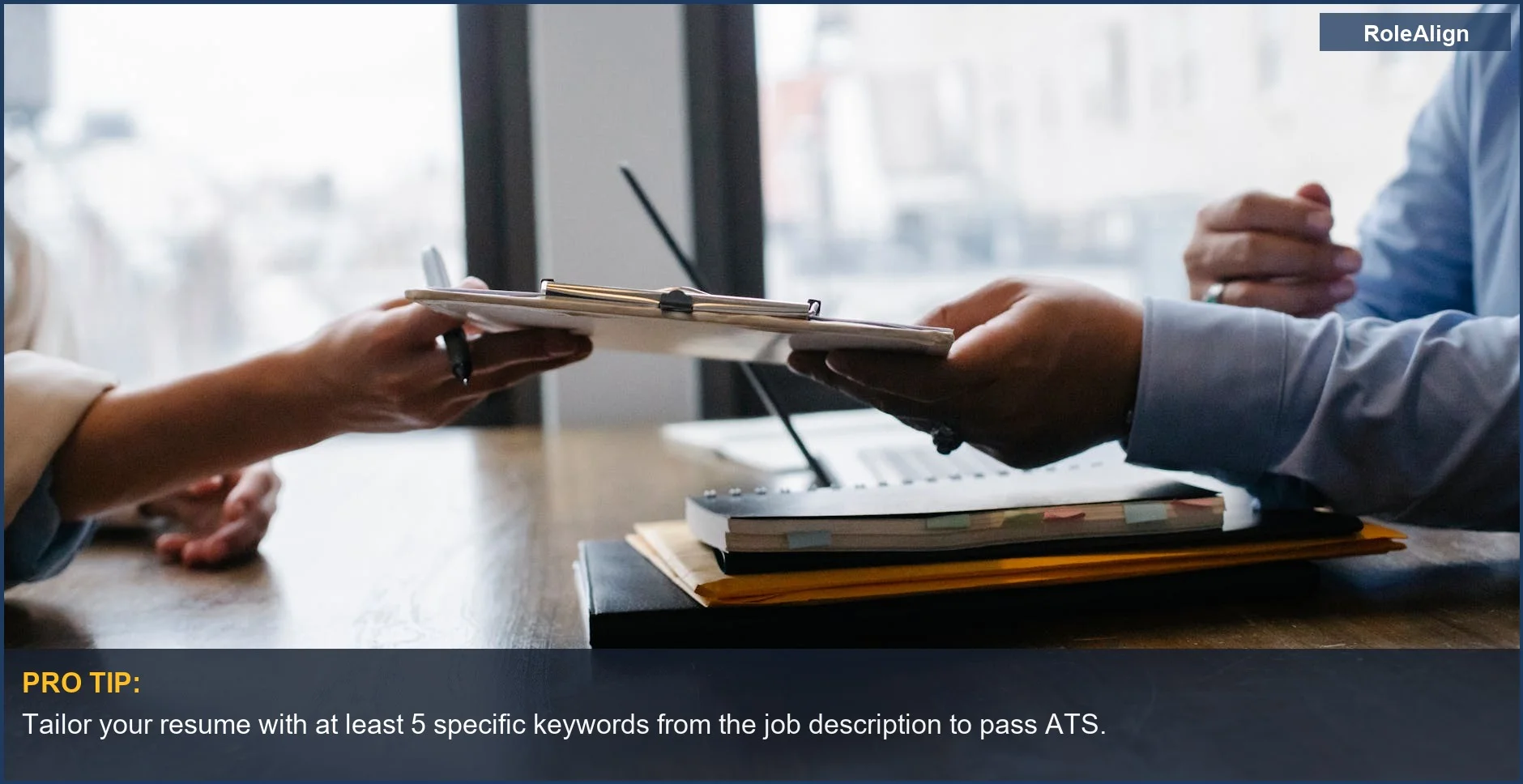
What's actually going on behind the scenes starts with the ATS. When I configured Workday or Lever, I set up parsing rules and keyword weighting. If your resume doesn't have the exact phrasing for 'SQL' or 'Python,' even if you know it, it might get deprioritized. It's not always a black hole; sometimes it's just a low relevance score. Many recruiting problems stem from inefficient internal processes, like poor ATS configuration.
Company size also dictates the interview mechanics. At a startup, I might be the only gatekeeper, and my 'recruiter brain' is looking for cultural fit and raw potential. At a Fortune 500, there are often multiple layers: an HR screener, a technical screener, a hiring manager, and then a panel. Each layer has its own set of filters and biases. Job posting mistakes can quietly cost you candidates long before the interview stage.
Recruiters are often incentivized by 'time to fill' metrics. This means speed is king. If you send me a long, rambling email or take too long to schedule, you're slowing down my process. This isn't fair, but it's the reality of a system designed for volume over nuance. Screening interviews are typically 15-30 minutes long, focused on basic qualifications.
The hiring committee dynamics are also critical. I've seen perfectly good candidates get rejected because one senior leader had a bad personal experience with someone from their previous company. It's irrational, but it happens. Your job is to be so undeniably good that you overcome these hidden obstacles.
Regulatory facts, like those around diversity metrics, can also influence who gets advanced. I've been told to ensure a certain percentage of candidates from underrepresented groups make it to the final round. This isn't about preference; it's about hitting internal targets that HR tracks.
How to Handle This
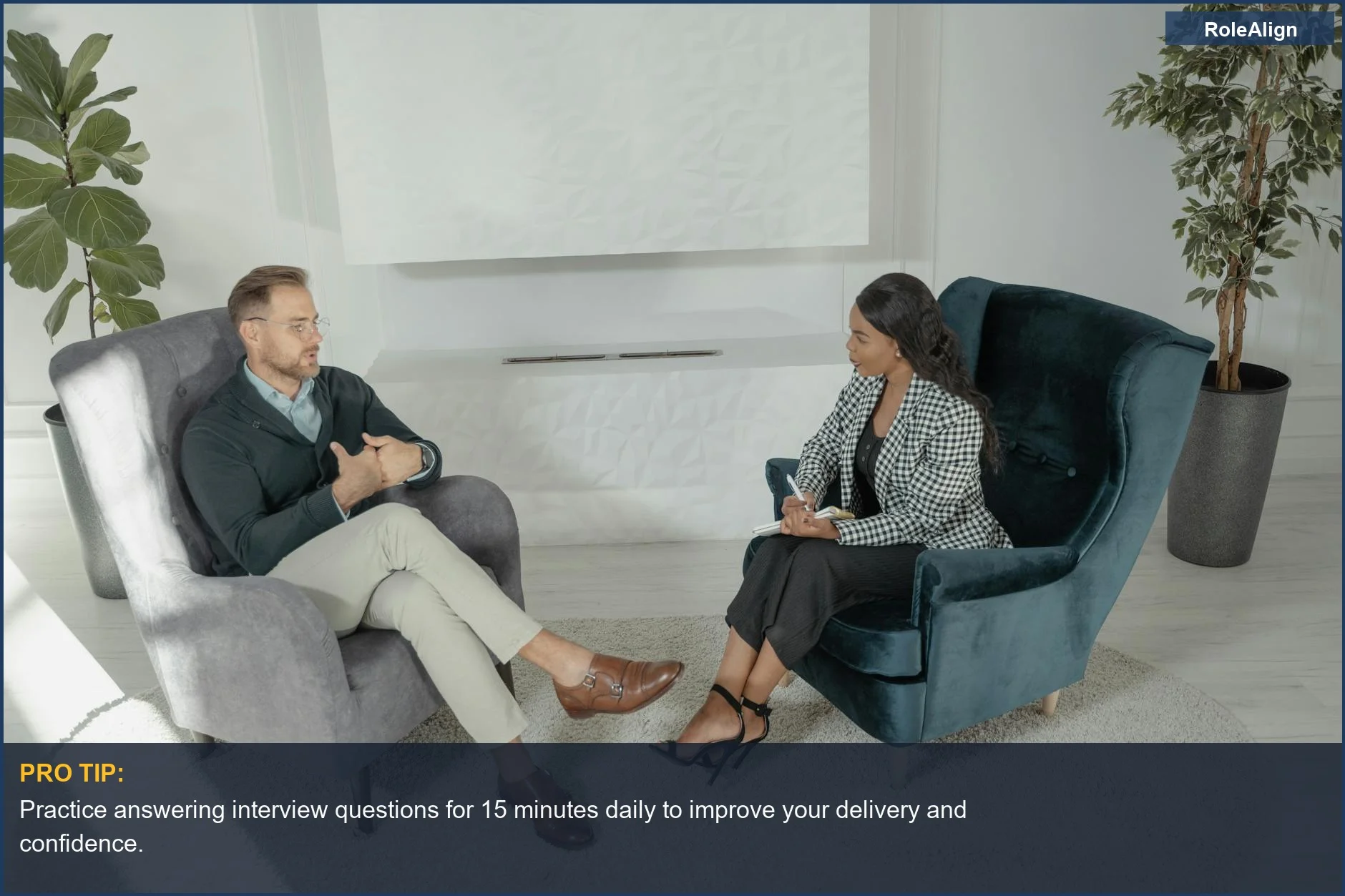
To handle this, you need to treat every interview as a performance, not a conversation. First, record yourself answering common questions like 'Tell me about yourself' or 'Why do you want this job.' Use your phone, then watch it back. Most people are horrified by their own verbal tics or lack of structure. This YouTube video offers a worksheet to help craft your best answer.
Next, invest in a mock interview. Don't ask your friend. They'll be too nice. Find a professional coach who understands the specific industry and role you're targeting. Expect to pay anywhere from $150 to $500 per session for someone truly good. Ask them if they've worked as a hiring manager or recruiter in your target industry.
When choosing a coach, ask about their methodology. Do they use a structured rubric? Will they provide specific, actionable feedback on your STAR method delivery, your body language, and your ability to articulate your thought process? A good coach will help you identify what your 'recruiter brain' is looking for.
Practice articulating your thought process out loud. I can't read your mind. If you're solving a problem, narrate your steps. 'First, I'd consider X because...' This gives me insight into your problem-solving skills, which is often more important than the final answer. One candidate noted they were answering but not structuring.
Finally, when you ask questions, make them strategic. Don't ask things you could Google. Ask about team dynamics, the hiring manager's leadership style, or specific challenges the team is facing. This shows you're engaged and thinking beyond your own immediate needs.
What This Looks Like in Practice
I once saw a candidate for a Director of Marketing role fail a simple behavioral question. They were asked about a time they failed, and they gave a textbook answer about 'learning from mistakes' without any real introspection or specific metrics. My hiring manager noted it as a 0/5 on the 'self-awareness' rubric. Interviewing in 2026 can feel like a minefield of tricks.
Another candidate for a Senior Software Engineer position aced the technical challenge but completely bombed the 'culture fit' interview. They were overly critical of previous managers and complained about 'legacy code.' The hiring committee, concerned about team morale, gave them a 1/5 for 'collaboration' and moved on.
I had a candidate for a Sales Development Representative role who seemed perfect on paper. During the initial screen, they couldn't articulate why they wanted to work for our specific company beyond 'I like tech.' My internal 'interest' metric dropped to a 2/5, and I knew they'd likely ghost us later, so I passed.
For an HR Business Partner role, a candidate talked for 10 minutes about their love for 'people and culture' but couldn't give a single concrete example of how they'd resolved an employee relations issue or implemented a new HR policy. The hiring manager needed specifics, not platitudes. They scored low on 'impact.'
I once had a candidate for a Data Analyst role who, when asked about their biggest weakness, said 'I work too hard.' My 'recruiter brain' immediately flagged this as disingenuous. It's not a weakness; it's a cliché. I prefer honesty, even if it's uncomfortable.
Mistakes That Kill Your Chances
| Mistake | Recruiter's Perspective (Why it Kills Chances) | Impact on Hiring Process |
|---|---|---|
| Generic Answers | Signals low effort; I see 50 of these a week. It's noise, not signal. Modern TA leaders prioritize data-driven recruiting, not canned responses. | Candidate is indistinguishable, quickly moved to 'reject' pile. |
| No STAR Method | I need structure: Situation, Task, Action, Result. Without it, your story is a rambling anecdote, not evidence. | Difficult to assess specific skills or impact; perceived as lacking clarity. |
| Bad Body Language | Fidgeting, avoiding eye contact, slouching - it subconsciously signals disinterest or lack of confidence. | Negatively impacts perceived professionalism and interpersonal skills. |
| Not Asking Questions | Shows lack of engagement or curiosity. I assume you don't care about the role or company. | Fails the 'curiosity' metric; makes me doubt your fit. |
| Talking Too Much | You're not listening, you're monologuing. I need a conversation, not a lecture. | Demonstrates poor active listening and communication skills. |
| No Follow-up | A simple thank-you email solidifies your interest. Without it, I assume you're not serious. | Signals low interest; makes you forgettable in a crowded field. |
| Negative Talk about Past Employers | Instant red flag. If you talk bad about them, you'll talk bad about us. | Raises concerns about professionalism, loyalty, and team fit. |
| Focusing Solely on Salary | While important, making it the first or only topic suggests you're not invested in the role's mission. | Perceived as transactional; lacks passion for the actual work. |
Key Takeaways
Cracking the interview code isn't about being the 'best' candidate; it's about understanding the internal mechanics of hiring. My 'recruiter brain' is a product of specific incentives and system configurations. A strong 2026 hiring strategy relies on clear metrics and intentional candidate engagement.
Key Takeaways: * Interviews are performances, not conversations: Structure your answers using the STAR method. Practice out loud, record yourself, and get objective feedback. * Recruiters are de-risking agents: Minimize noise and provide clear signals. Make it easy for me to check off my boxes and move you forward. * Understand the 'why' behind recruiter behavior: My metrics (time to fill, candidate satisfaction) and the ATS's parsing rules dictate my actions.
Your job is to navigate these constraints. * Invest in professional feedback: A good coach who knows your industry is worth the money. They see the flaws you can't. * Every interaction is a data point: From your follow-up email to your body language, I'm constantly evaluating your fit.
Frequently Asked Questions
Should I pay $300 for a professional mock interview, or can I just practice with my spouse?
Do I really need to use the STAR method? It feels so rigid and unnatural.
What if I meticulously prepare, use STAR, and still don't get the job?
Can over-rehearsing my answers make me sound robotic and turn off the interviewer?
Is it true that recruiters only care about keywords and not my actual experience?
Sources
- 10 Common Recruiting Problems in 2026 (And How to Solve Them)
- 5 Headhunting Pitfalls (and How to Fix Them) | 2026 Hiring Guide
- Interviewing in 2026 : tricks and more tricks : r/recruitinghell - Reddit
- 5 Interview Secrets Recruiters Won't Tell You - YouTube
- Screening Interview: A Complete Guide for HR [2026 Edition] - AIHR
- Your 2026 Hiring Strategy: The Ultimate Guide for Hiring Managers
- Interview Insights: 5 Interview Mistakes Hiring Managers Should Avoid
- Hiring Pitfalls to Avoid in 2026 - Netchex
- A Practical Review of My Interview Performance -Interview Mistakes ...
- 2026 Recruiter Success Kit: A Strategic Playbook for Modern TA
- Improve Decision-Making in Hiring: Common Pitfalls and How to ...
- Avoid Common Job Search Mistakes in 2026 - (That Quietly Add ...