
The Unspoken Rules of Recruiter Hiring Manager Dynamics (2026 Complete Guide)
I once saw a hiring manager reject a candidate for a Senior Software Engineer role because their resume used a sans-serif font he 'personally didn't like.' That's not an exaggeration; it happened on a Tuesday morning at a Series C startup.
I once saw a hiring manager reject a candidate for a Senior Software Engineer role because their resume used a sans-serif font he 'personally didn't like.' That's not an exaggeration; it happened on a Tuesday morning at a Series C startup. You think the hiring process is about merit, but often, it's about navigating the unspoken, deeply human, and often irrational dynamics between recruiters and hiring managers. After decades in this game, I've seen it all.
The Real Answer
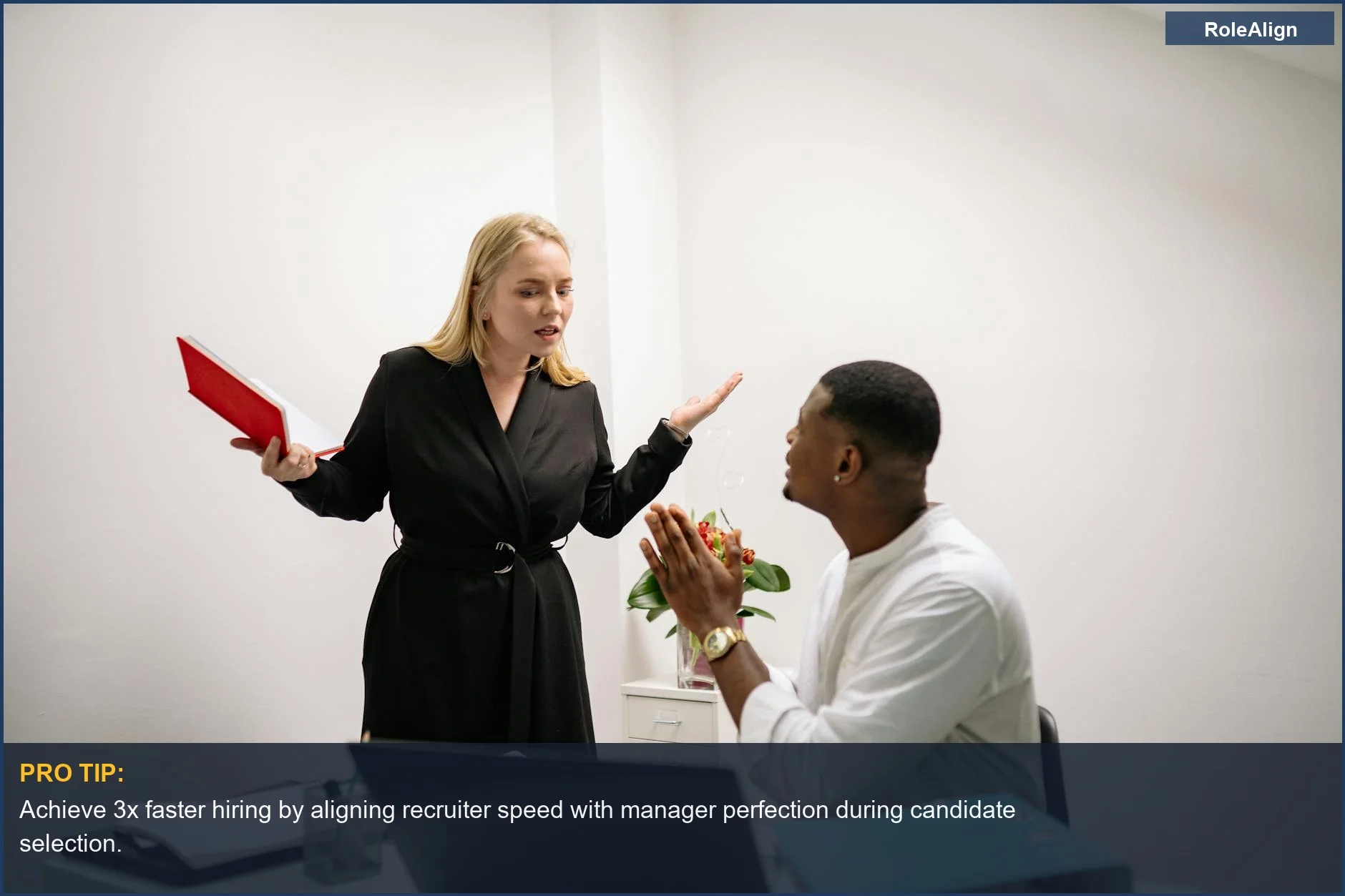
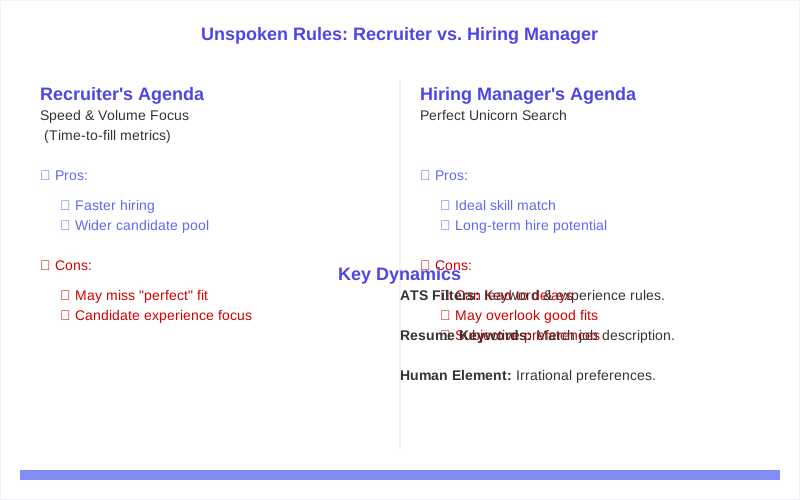
The real reason hiring decisions feel like a black box is because they're a delicate dance between two often-conflicting agendas: the recruiter's need for speed and volume, and the hiring manager's desire for a perfect unicorn. My 'recruiter brain' was constantly optimizing for time-to-fill and candidate experience metrics, not necessarily finding the absolute 'best' person. Every hiring decision involves unspoken rules, tactical moves, and hidden dynamics.
What's Actually Going On
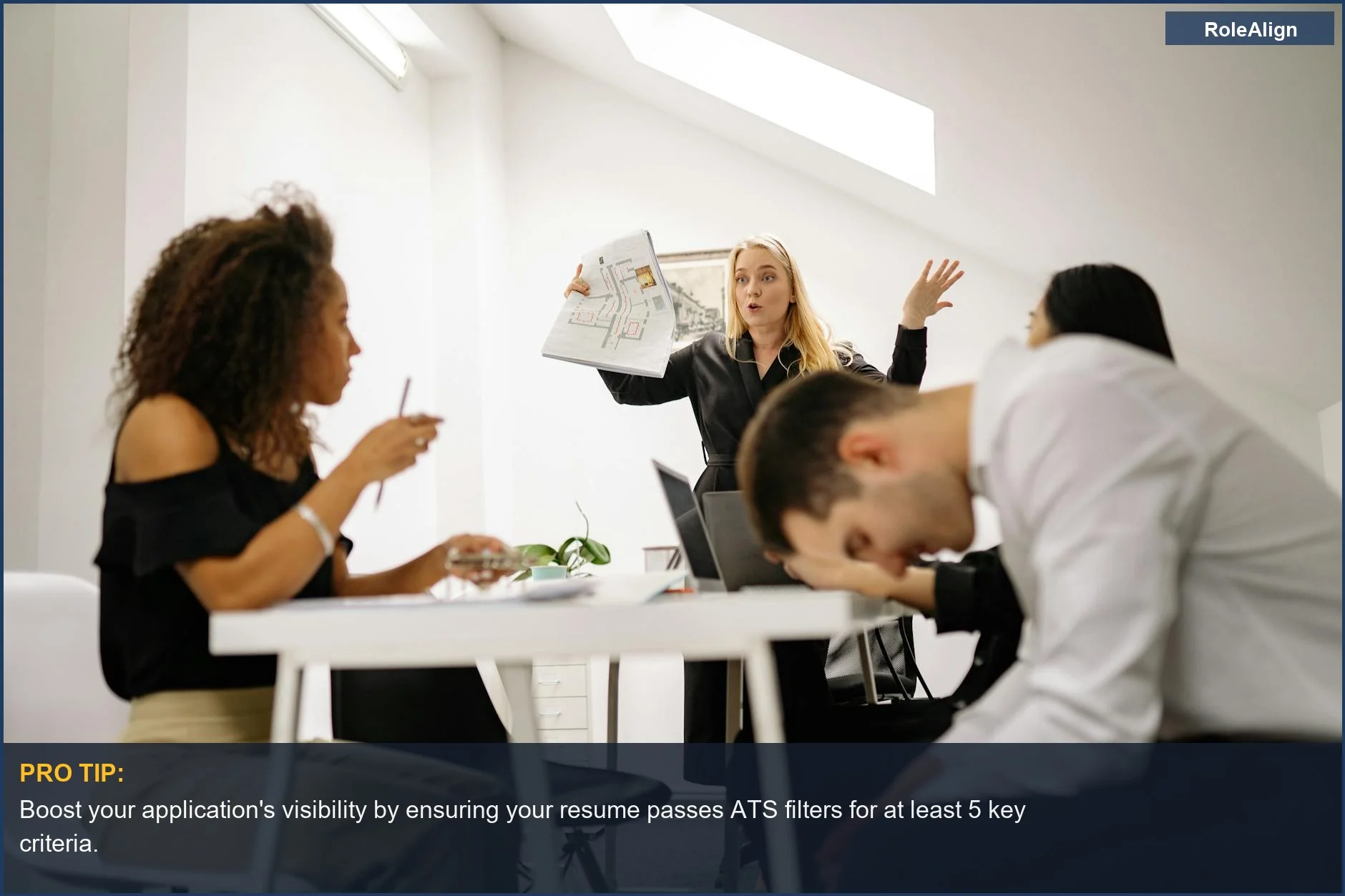
What's actually going on behind the scenes boils down to a few core mechanics. First, ATS systems like Workday or Greenhouse are configured by HR to enforce certain rules, like minimum years of experience or specific keyword matches. If your resume doesn't hit those, it's filtered out, plain and simple. It's not personal; it's just how the system was built. Two senior recruiters break down what's working, and what's not.

How to Handle This
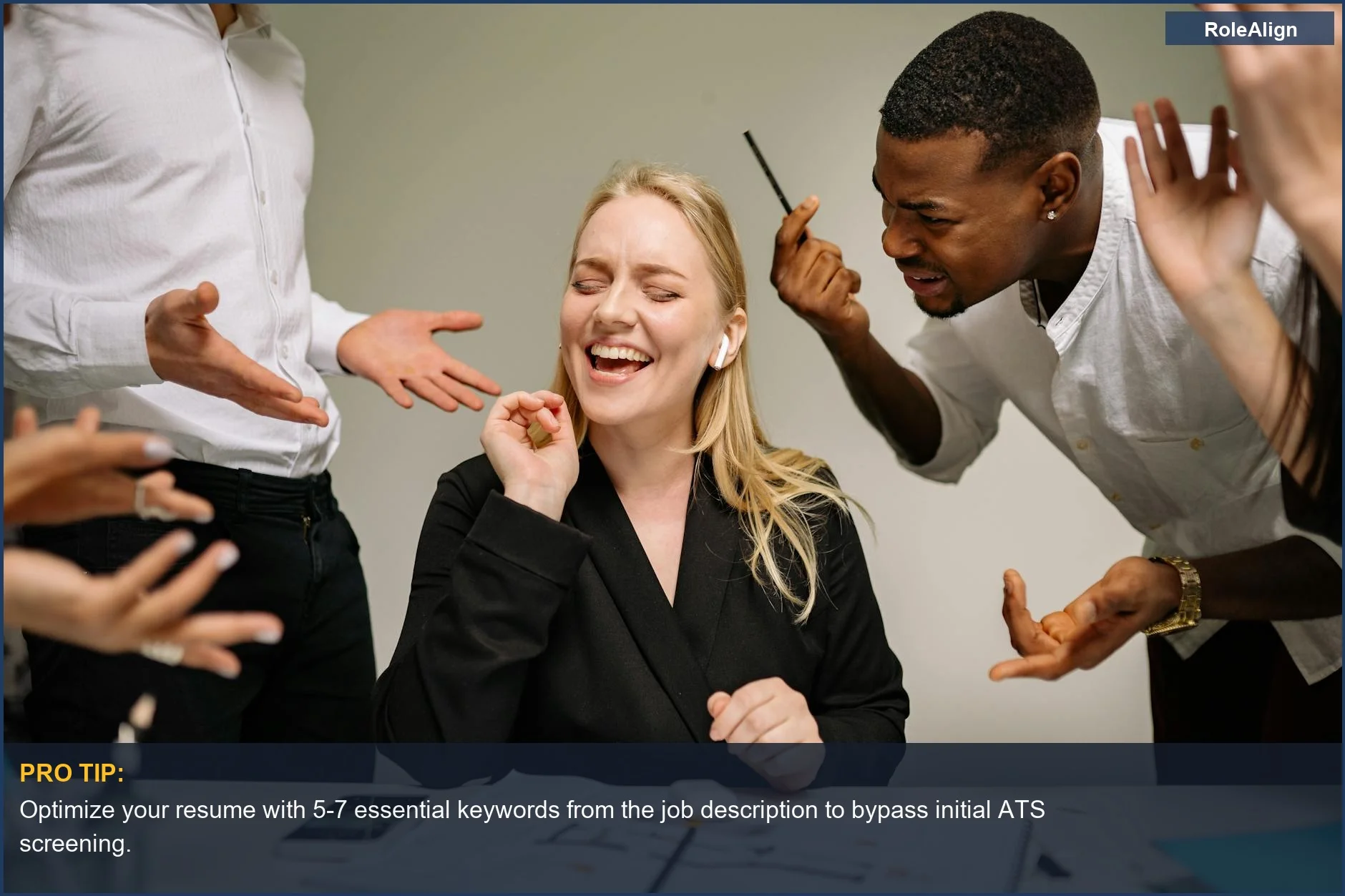
To handle this mess, you need to play the game with insider knowledge. First, identify the specific keywords used in the job description and embed them naturally throughout your resume, especially in your 'Experience' section. This isn't about keyword stuffing; it's about speaking the language the ATS, like Lever, is programmed to understand. Explore our 2026 staffing playbook for employers, it emphasizes meeting candidate expectations for clarity and speed.
What This Looks Like in Practice
I once had a hiring manager demand a candidate with 'at least 8 years of experience in Rust' for a new role. The problem? Rust had only been stable for 6 years. This is a classic example of a hiring manager's unrealistic expectations clashing with a recruiter's reality. My job then became managing his expectations, not just finding candidates. Applications disappear and recruiters go silent, but it's often due to these internal conflicts.


Mistakes That Kill Your Chances
| Mistake | Why it Kills Your Chances (Recruiter's View) |
|---|---|
| Generic Resume | My 'recruiter brain' sees this as immediate noise. I'm looking for specific signals, not a general career autobiography. In Lever, I'll filter for keywords and if you're not there, you're gone in 3 seconds. |
| Ignoring Keywords | This is an ATS black hole trigger. If your resume doesn't match the hiring manager's non-negotiable keywords, Workday won't even show it to me. Your resume is functionally invisible. |
| Applying to Ghost Jobs | You're wasting your time. I've been forced to post ghost jobs to 'signal growth' for investors, or to keep a headcount open for 6 months while budget decisions were made. There was never a real intent to hire. |
| No Network Connection | Without an internal referral, you're just another resume in the resume graveyard. My director tracks 'new applicants per week', not 'how many old profiles I dug up.' Fresh applications get priority. |
| Poorly Formatted Resume | Two-column layouts or fancy graphics often break ATS parsing. I spent a week debugging a Taleo instance where 'Experience' sections were parsed as a single block. Your content becomes unsearchable. |
| Lack of Specific Achievements | Hiring managers want outcomes, not just tasks. If your bullet points don't start with a verb and quantify impact (e.g., 'Increased revenue by 15 percent'), I can't sell you as a strategic partner. Recruiting in uncertain economic times emphasizes hiring for outcomes. |
Key Takeaways
The hiring process is less about finding the 'best' candidate and more about finding a 'plausible' candidate who fits within the complex, often messy, dynamics between recruiters and hiring managers. Hiring managers in 2026 have noticed it feels harder than ever.
Frequently Asked Questions
What's the actual cost difference between optimizing my resume myself for an ATS versus paying a 'resume writer' to do it?
Do I really need to tailor my resume for every single job application, or can I get away with a few versions?
What if I network like crazy, get a referral, but still don't get an interview?
Can applying to too many jobs at the same company actually hurt my chances for future roles there?
Is it true that applying on a specific day or time increases my chances?
Sources
- 2026 Hiring and Recruiting Techniques for Employers | Cherry Bekaert
- The Brutal Reality of Modern Hiring: A Recruiter's Perspective
- Talent Attraction in 2026: A Hiring Manager's Playbook for Winning ...
- The corporate world has its unspoken rules. When a top-tier position ...
- 2026 Recruitment Strategy: Real Talk From Two Expert Recruiters
- Recruiting in Uncertain Economic Times (The 2026 Guide)
- The unwritten rules of recruiting that nobody tells you - LinkedIn