
What Interviewers Look for Beyond the Right Answers (2026 Complete Guide)
I've reviewed over 15,000 resumes in my career, and I can tell you that only about 3,000 of those candidates ever made it past the initial screening to an actual human conversation. The dirty secret? For the vast majority, it wasn't their technical skills that got them binned, but everything else.
I've reviewed over 15,000 resumes in my career, and I can tell you that only about 3,000 of those candidates ever made it past the initial screening to an actual human conversation. The dirty secret? For the vast majority, it wasn't their technical skills that got them binned, but everything else. We're talking about the subtle signals, the unsaid truths, and the sheer vibe they put out. As Natalie Lemons points out, employers are digging for honesty and resilience.
The Real Answer
The real reason interviewers look beyond the right answers comes down to a fundamental shift in how companies perceive talent. It's not just about filling a seat; it's about mitigating risk and optimizing team dynamics. My hiring committee meetings weren't about ticking boxes; they were about minimizing future headaches.
What's Actually Going On
When I was configuring Workday and Greenhouse, I wasn't just setting up fields for 'skills' and 'experience.' I was building data pipelines designed to capture behavioral indicators. The systems are designed to flag not just what you say, but how you interact with the process. Career experts emphasize this shift in how hiring happens.
How to Handle This
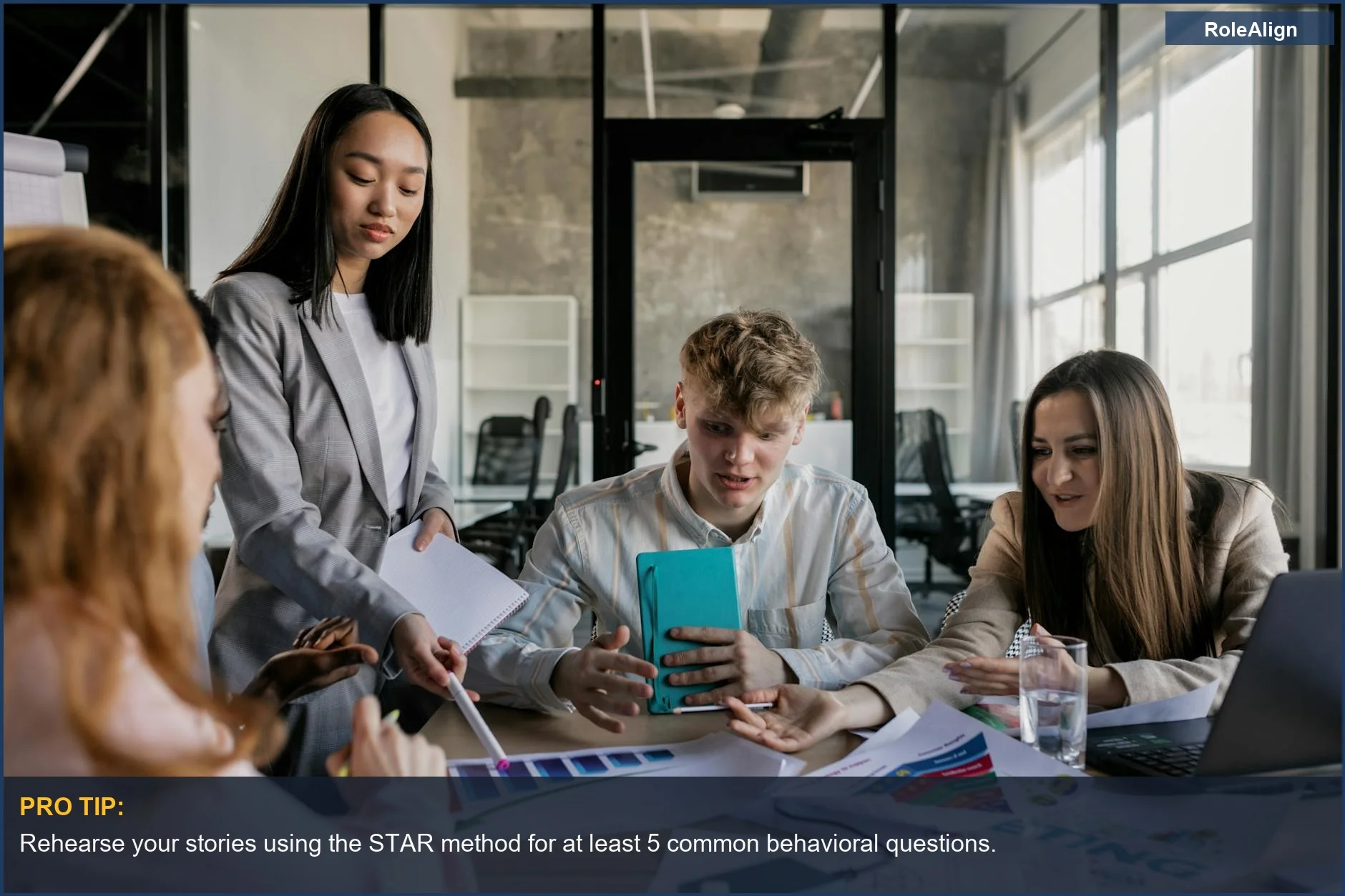
So, how do you actually prepare for this 'beyond the answer' assessment? It's not about memorizing more facts. It's about training your presentation. Think of it like a performance, not a pop quiz. The 2026 job search requires new strategies.
What This Looks Like in Practice
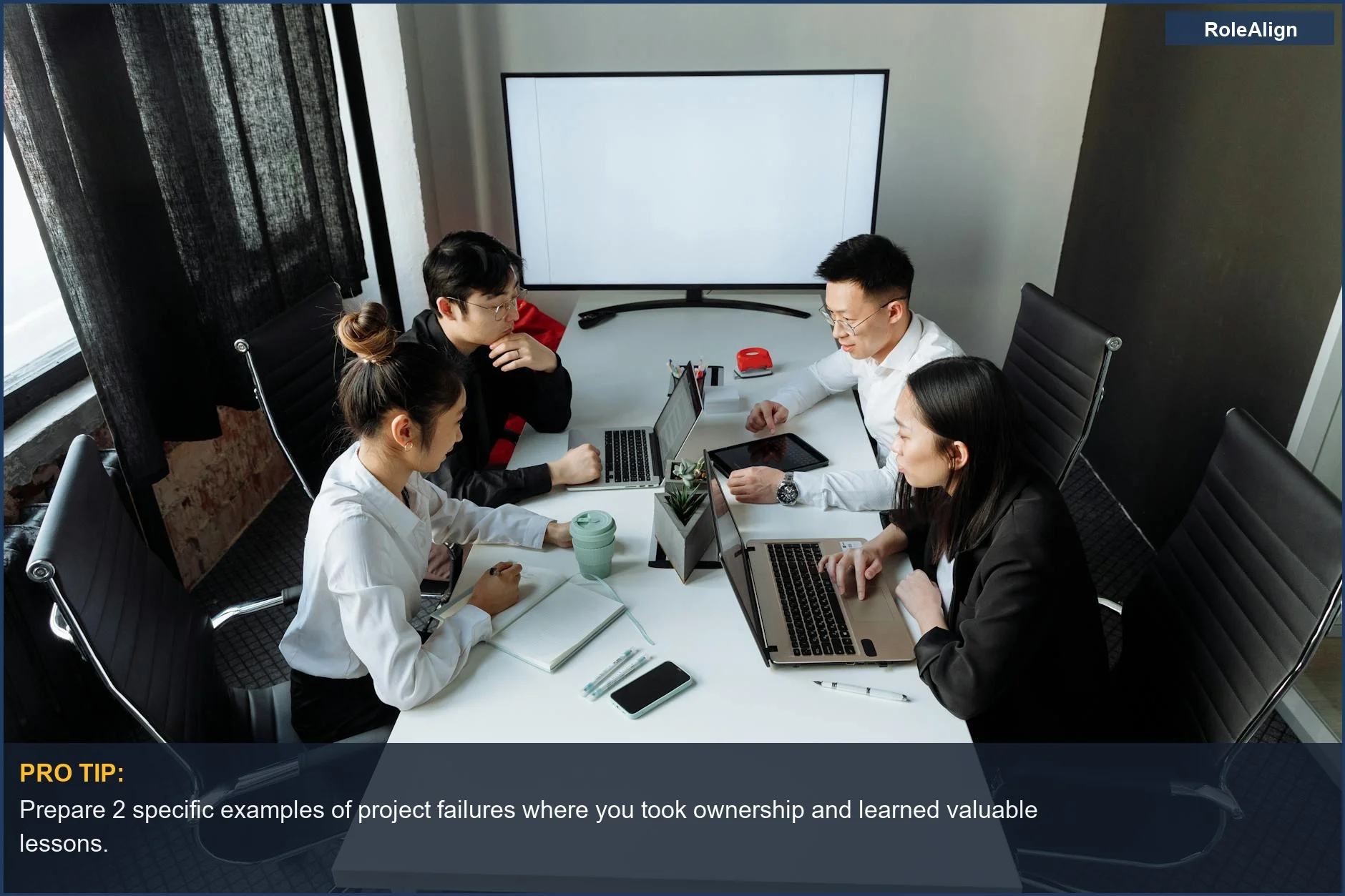
Let's talk brass tacks. I once had a candidate for a Senior Product Manager role who aced every technical question. Flawless. But in the behavioral section, when asked about a project failure, they blamed their team's 'incompetence' five separate times. That's a 0 percent chance of an offer. Hiring managers want to understand how you think, not just what you know.
Mistakes That Kill Your Chances
I've seen countless candidates blow their chances with easily avoidable missteps, often because they're too focused on the 'right' answer. This isn't just about being polite; it's about understanding the internal logic of the hiring process. Juicebox highlights essential questions for 2026, but the mistakes often happen around them.
| Mistake | The Real Reason It Kills Your Chances |
|---|---|
| Vague answers to 'Tell me about yourself' | Signals lack of self-awareness and preparation. My recruiter brain sees this as a red flag for future communication issues. It's your 30-second commercial, not a rambling autobiography. |
| Only talking about 'I' in team projects | Indicates a potential inability to collaborate or give credit. Hiring committees look for team players, not lone wolves who will alienate everyone. This raises concerns about cultural fit. |
| Not asking any questions at the end | Shows a lack of genuine interest or critical thinking. It tells me you haven't researched the company or the role, or worse, you just don't care enough to engage. |
| Negative talk about previous employers | Massive red flag. If you trash your last boss, I assume you'll trash me too. It suggests poor judgment and an inability to handle conflict professionally. HR policy flags this immediately. |
| Failing to clarify ambiguous questions | Demonstrates a lack of initiative and problem-solving. In a real job, you'll encounter unclear requests constantly. I want to see you ask for more information, not just guess. |
| Exaggerating or fabricating experience | A quick background check or a few pointed follow-up questions will expose this. The trust is immediately broken, and you're marked as untrustworthy. It's a career-ending move. |
I've seen resumes with fantastic buzzwords get instantly binned because the candidate couldn't back them up with specific, measurable examples. It's a waste of everyone's time.
Key Takeaways
- It's not just a Q&A: Interviewers are assessing your entire package, not just your memorized answers. AvaHR's list of questions is a starting point, not the whole game.
- Behavioral cues are critical: Your attitude, body language, and how you articulate your thought process weigh heavily.
This is where the 'recruiter brain' does its best work, looking for signal vs noise. * Risk mitigation is key: Companies are trying to avoid bad hires, which cost real money and team morale. Your job is to demonstrate you're a safe, valuable bet. * Practice with intent: Rehearse not just what you'll say, but how you'll say it, focusing on clarity, enthusiasm, and genuine interest.
Get feedback on your delivery, not just your content. * Authenticity matters: Don't try to be someone you're not. Interviewers can spot a fake a mile away, and it's a quick trip to the resume graveyard.
Frequently Asked Questions
Should I pay a 'career coach' $500 for a mock interview, or just practice with a friend?
Do I really need to research the company's values? Isn't that just corporate jargon?
What if I get a question I genuinely don't know how to answer? Should I just make something up?
Can focusing too much on 'soft skills' make me seem less technical or competent for a technical role?
Is it true that interviewers make up their mind in the first 5 minutes?
Sources
- The Ultimate List Of Interview Questions for 2026 - AvaHR
- 9 Essential Interview Questions to Ask Candidates in 2026 - Juicebox
- Sagan Recruitment
- Natalie Lemons - Interview Preparation in 2026 - LinkedIn
- How to Get Hired in 2026 | Career Expert Roundtable Ep.40
- The 2026 Job Search: New Strategies, New Mindset, New Moves