
The Unwritten Requirements Recruiters Seek Beyond Job Descriptions (2026 Complete Guide)
I've seen job descriptions that are 1,200 words long, and I've seen some that are barely 100. The dirty little secret? Neither one tells you the full story. You could check every single box on a job description, hit a 95 percent match rate on your resume through Greenhouse's parsing engine, and still get ghosted faster than a bad Tinder date.
I've seen job descriptions that are 1,200 words long, and I've seen some that are barely 100. The dirty little secret? Neither one tells you the full story. You could check every single box on a job description, hit a 95 percent match rate on your resume through Greenhouse's parsing engine, and still get ghosted faster than a bad Tinder date. Why? Because you're only seeing the marketing material, not the actual job. Many job seekers feel this disappointment.
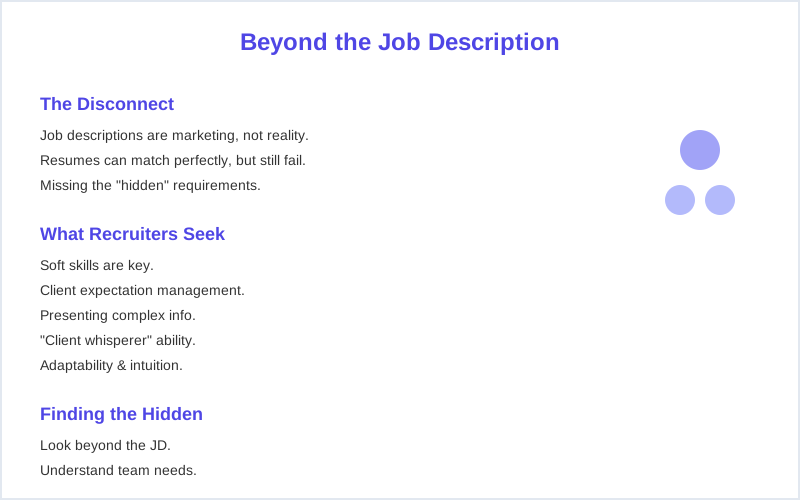
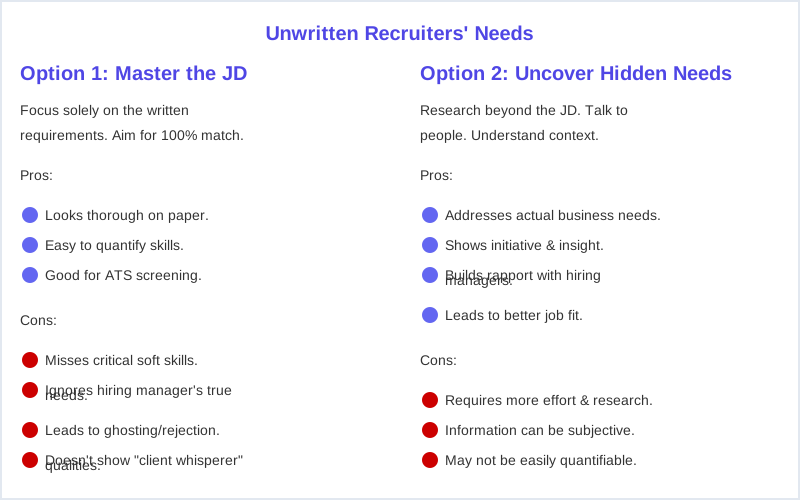
I once had a hiring manager tell me he wanted a 'Senior Data Scientist' who also knew how to 'manage client expectations' and 'present complex findings to non-technical stakeholders.' None of that was in the initial job description I posted on Workday. His real need wasn't just technical chops; it was a 'client whisperer' who could translate SQL queries into boardroom-speak. Your resume, no matter how perfect for the written role, won't capture that.
This isn't an ATS black hole; it's a disconnect between what HR writes and what the business actually needs. The 'resume graveyard' is filled with candidates who looked great on paper but missed the unwritten requirements, the ones that live only in the hiring manager's head or in the frantic Slack messages I got at 11 PM.
My job, as a recruiter, was to sniff out those hidden requirements. The job description was a starting point, a legal document. The real requirements were the whispers, the offhand comments, and the subtle cues from the team that needed the role filled. Good executive recruiting involves compiling success profiles, not just job descriptions.
It's why you can feel like you're doing everything right and still come up empty. You're preparing for a test where half the questions aren't on the study guide. I'm here to tell you how to find that missing half.
The Real Answer
The real answer is that the official job description is rarely the whole story. It's a legal document, a marketing tool, and often a compromise between multiple stakeholders. What you don't see are the 'unwritten requirements,' which are the actual criteria that will get you hired. Unwritten job requirements quietly ruin great hires.
My recruiter brain operates on a different plane. I'm not just matching keywords; I'm trying to solve a puzzle for a hiring manager who often doesn't even know all the pieces they need. This dynamic creates a hiring theater where the official script is just one act.
Think of it as the 'recruiter's internal spec sheet.' This sheet is built from multiple sources: the hiring manager's gut feeling, team dynamics, last quarter's failed projects, and even the company's long-term strategic pivot.
For example, a 'Project Manager' job description might list PMP certification and 5 years experience. But the real reason they're hiring? Their last PM was terrible at communicating with the offshore team and missed 3 critical deadlines. The unwritten requirement is 'proven ability to manage distributed teams with minimal oversight.'
I'm looking for signal vs noise. The noise is what's on the job description. The signal is what I hear from the team in casual conversations, or what the hiring manager complains about in our weekly sync. Recruiters see patterns before they become headlines.
My goal isn't just to fill a seat; it's to solve the hiring manager's actual problem. If your resume doesn't subtly hint that you can solve that unwritten problem, you're just another profile in the resume graveyard.

What's Actually Going On
What's actually going on is a multi-layered mess of internal company mechanics, ATS limitations, and human bias. The official job description often starts as a generic template from HR, then gets tweaked by a hiring manager who's probably swamped and just adds a few bullet points they remember from their last hire.
ATS Data Limitations: Systems like Workday or Lever are fantastic at parsing structured data. But they don't understand nuance. If a job description says 'experience with JavaScript,' and the hiring manager actually needs someone who's built a specific type of React component, the ATS won't catch that distinction. AI and instability are redefining the future of work, but ATS still struggles with implicit needs.
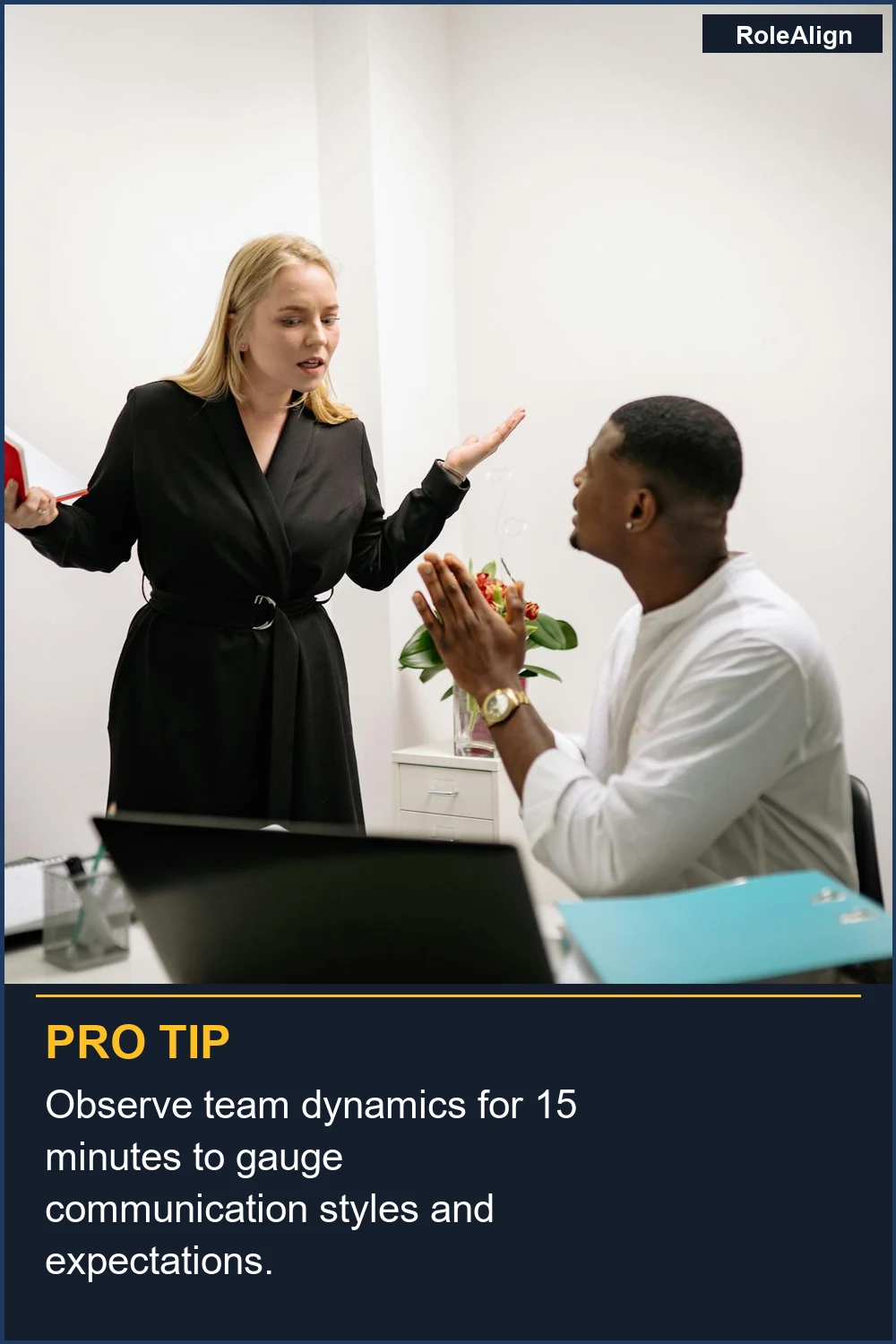
Hiring Manager's Evolving Needs: A hiring manager's needs often shift during the 43 days a typical req is open. What started as 'we need a Python developer' can become 'we need a Python developer who can also mentor junior staff and has experience with AWS Lambda' after a few team meetings or a new project kickoff. The job description rarely gets updated.
Company Size Variations: At a small startup using Greenhouse, the hiring manager might be the CEO, and their 'unwritten requirements' are often tied directly to their immediate, often chaotic, business problems. At a Fortune 500 company using iCIMS, the unwritten rules might be about navigating internal politics or fitting into a rigid corporate culture. Job descriptions often don't tell the full story.
Regulatory and HR Policy Patterns: HR departments often mandate specific language to avoid discrimination lawsuits. This can strip job descriptions of the very specific, sometimes quirky, details that actually define the role. My hands were often tied to make the job description sound 'fair' and 'inclusive,' even if it diluted the true requirements. This is part of the hiring theater.
So, my recruiter brain is constantly trying to translate the generic, legally-vetted job description into the actual, often unspoken, needs of the team. That's the real reason I sometimes skipped resumes that looked perfect on paper.


How to Handle This
Okay, so you realize the written job description is just the tip of the iceberg. Now, how do you find the rest of the ice? This isn't about guesswork; it's about strategic intelligence gathering. The talent market is very different from what it once was.
Step 1: The Detective Work (Timing: Before Applying)
-
LinkedIn Deep Dive: Don't just look at the hiring manager's profile. Look at the profiles of people currently in the role you want, or similar roles, within that company. What keywords do they use? What projects do they highlight? Look for patterns in their 'About' sections or shared experiences. This gives you a baseline for the company's internal language.
-
Company News & Press Releases: Read recent announcements. Are they launching a new product? Expanding into a new market? These strategic shifts create unwritten needs. A company expanding internationally will value 'cross-cultural communication' even if it's not explicitly listed for a marketing role.
-
Glassdoor/Blind Reviews: Take these with a grain of salt, but look for recurring themes. If multiple reviews mention 'poor communication' or 'micromanagement,' those are unwritten cultural requirements you need to address. Recruiters seek strong work ethic and communication skills.
Step 2: The Direct Approach (Timing: After Initial Application, Before Interview)
-
Networking: This is gold. Find someone who works there, even if it's not in the exact team. An informational interview (15 minutes max) can reveal cultural nuances or current challenges that are never in the job description. Ask, 'What's the biggest challenge your team is facing right now?' or 'What kind of person really thrives here?'
-
Recruiter Call: If you get an initial screening call with a recruiter (like I used to do), this is your chance. Ask pointed questions: 'What's the biggest problem this role is meant to solve?' or 'What does success look like in the first 90 days for this person?' My recruiter brain loved candidates who asked smart questions because it showed they were thinking beyond the bullet points.
Step 3: Resume & Interview Strategy (Timing: Always)
-
Tailor for the Real Role: Once you have these insights, subtly weave those unwritten requirements into your resume and cover letter. Don't lie, but emphasize experiences that align with the hidden needs. If they need a 'client whisperer,' highlight your client-facing wins.
-
Interview Questions: Prepare questions that poke at these unwritten needs. If you suspect they need someone strong in collaboration, ask, 'How does this team typically collaborate on cross-functional projects?' This shows you're thinking critically, not just regurgitating your resume. This is how you differentiate yourself from the resume graveyard.


What This Looks Like in Practice
I've seen these unwritten requirements play out countless times. One memorable instance involved a 'Product Manager' role at a fintech startup. The job description was standard: 'roadmap, user stories, agile.' However, the real reason for the hire was that the existing team was brilliant but terrible at getting buy-in from the sales department.
My hiring manager's internal metric for success for that role was 'sales team engagement' - something not mentioned once in the Lever job posting. He tracked weekly meetings with sales, not just sprint velocity. Financial thresholds are critical, but flexibility is a mandate.
Another time, for a 'Senior Software Engineer' at a logistics company, the written requirement was '5+ years Java experience.' The unwritten, critical need was 'ability to troubleshoot legacy systems from 2003 with zero documentation.' Their current engineers kept quitting because they hated dealing with the ancient codebase. My recruiter brain knew to look for candidates who had 'experience with system modernization' or 'maintaining complex, long-standing applications.'
I once screened 100 resumes for a 'Marketing Manager' role where the job description specified 'SEO and content strategy.' The hiring manager later revealed the real need was someone who could manage a budget of $500,000 across multiple agencies without hand-holding. That's a 'vendor management' skill, not 'SEO.' My initial screen was almost entirely off-base. 96 percent of job seekers apply for roles where they don't meet all qualifications, but the real issue is often the missing unwritten ones.
These hidden requirements often dictate the interview questions, the take-home assignments, and ultimately, who gets the offer. The candidates who understood the 'real' job, even if they had to dig for it, were the ones who moved forward.
Mistakes That Kill Your Chances
Falling into the trap of only addressing the written job description is a rookie mistake that will land you squarely in the resume graveyard. My recruiter brain has seen these blunders hundreds of times.
| Mistake | Why it Kills Your Chances (Recruiter Perspective) |
|---|---|
| **Copy-Pasting Keywords** | You're playing the ATS game, but not the human game. My eye-scan for keywords is secondary to seeing how you *applied* them. A resume full of buzzwords without context is noise, not signal. Hiring is about driving outcomes, not just filling seats. |
| **Generic Cover Letters** | I can spot a generic cover letter from 100 paces. It shows you didn't do your homework. If you can't bother to personalize it, why should I bother to read it? It screams 'low effort.' |
| **Ignoring Company Culture** | If the company emphasizes 'collaboration' and you only talk about 'individual achievements,' you're missing the unwritten cultural fit. This is a huge red flag for the hiring committee. |
| **Not Asking Probing Questions** | In an interview, if you only ask about salary or benefits, you're signaling you're not invested in the *work*. Smart candidates ask about team dynamics, challenges, and future projects. This shows you get the real job. |
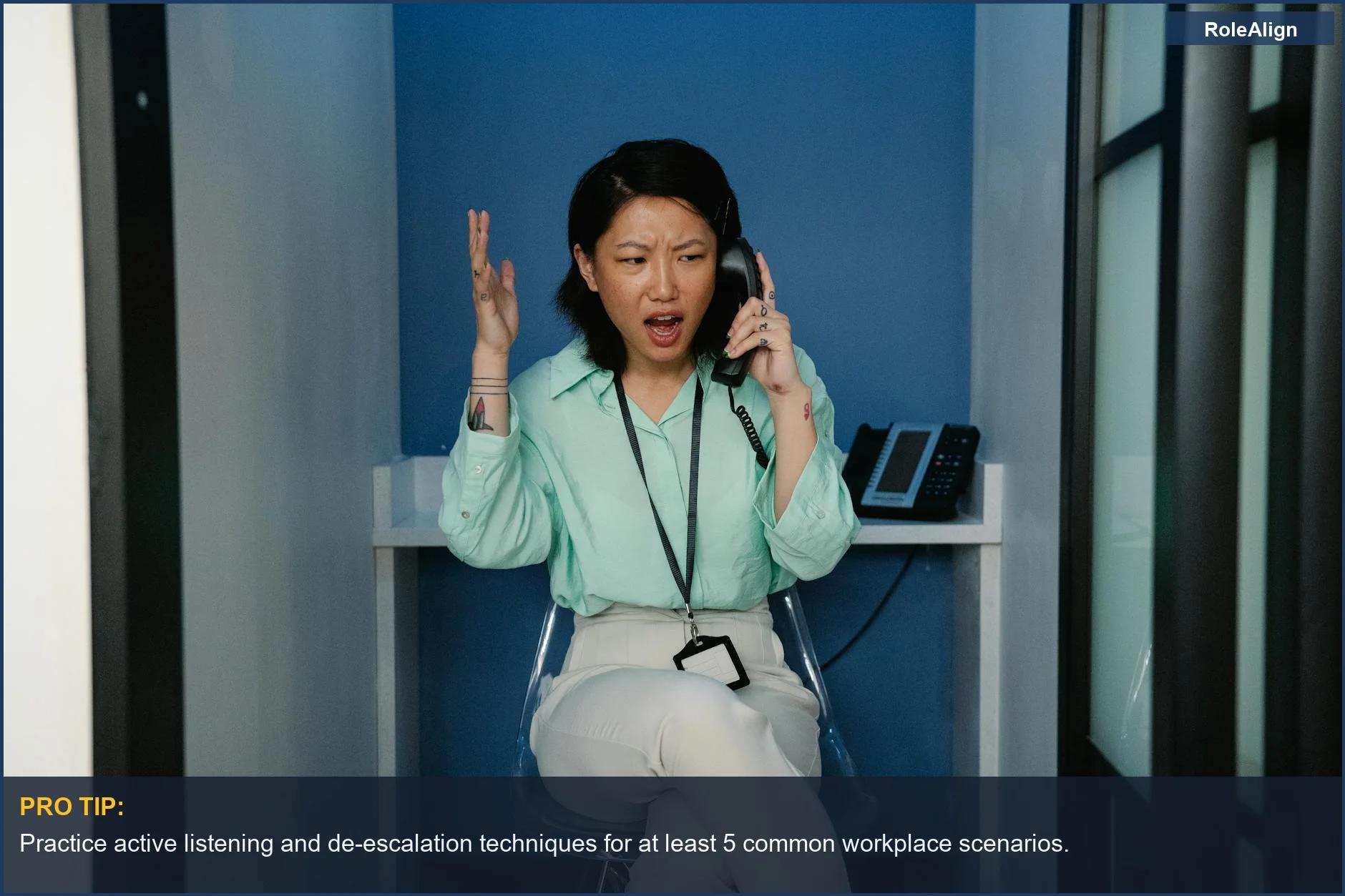
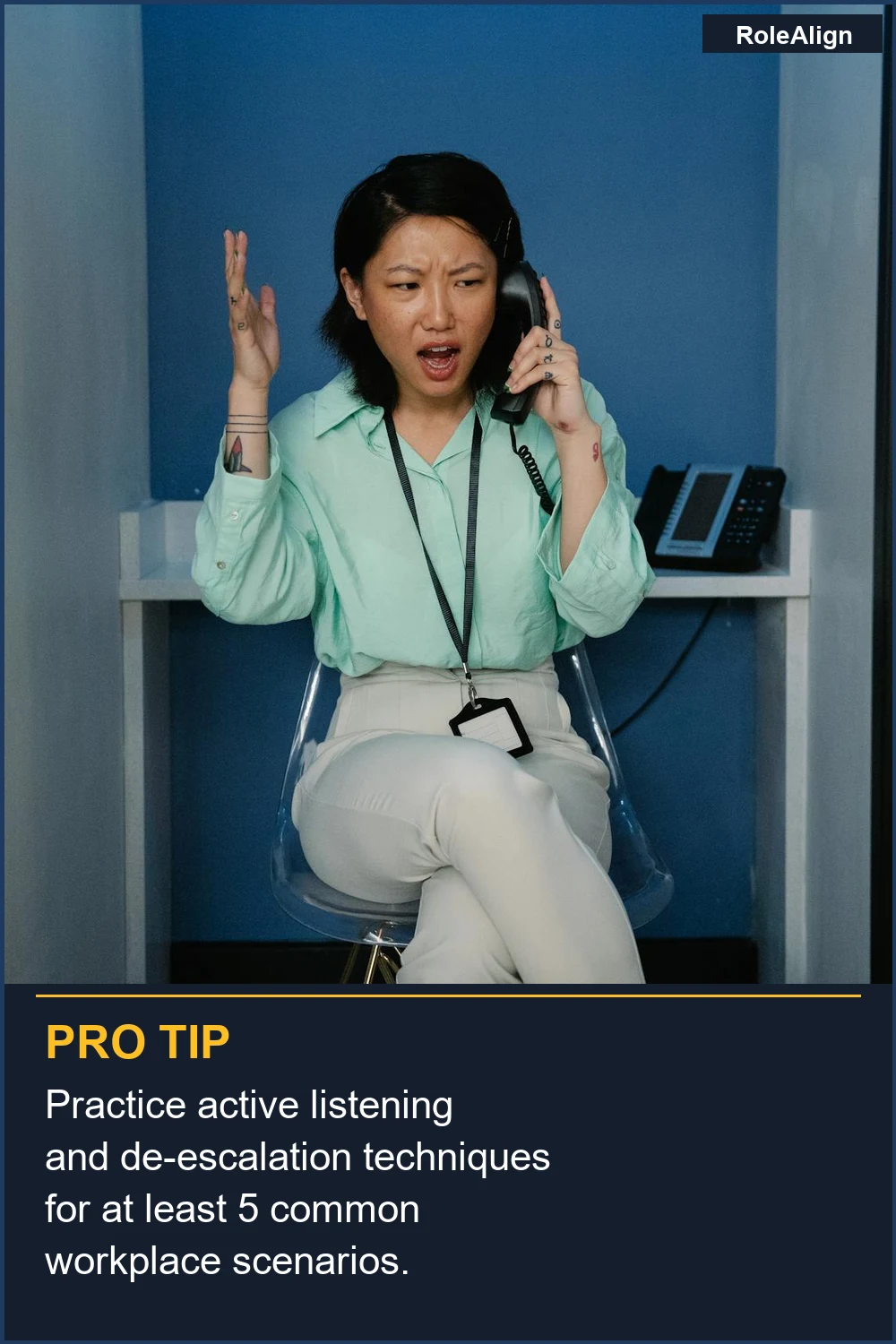
| **Focusing Solely on Technical Skills** | For many roles, especially mid-to-senior, soft skills (communication, leadership, problem-solving) are the unwritten requirements. If your resume is just a list of programming languages, it's incomplete. |
| **Applying to Ghost Jobs** | Sometimes the job isn't real. I've been forced to keep jobs open for six months to impress investors. Applying to these is a waste of your time. My saltiness is real when I had to send those emails. Don't just rely on standard job boards. |
These mistakes turn your application into noise, not signal, for my recruiter brain.
Key Takeaways
Navigating the job market means understanding that the official job description is just the beginning. The real job, with its unwritten requirements, lives in the hiring manager's head and the team's daily struggles.
-
Job descriptions are legal documents, not comprehensive guides: They're designed to be broad and legally compliant, often missing the specific nuances that truly define the role. Don't treat them as sacred texts.
-
Recruiters are translators, not just screeners: My job was to translate the hiring manager's often vague or unspoken needs into actionable criteria. Help me help you by giving me those signals.
-
The 'unwritten' is often about problem-solving: Most hidden requirements stem from a specific pain point the team is experiencing. Your goal is to figure out what that pain is and show you can fix it.
-
Leverage your network and ask smart questions: Direct conversations and strategic research are your best tools for uncovering these hidden needs. Don't be afraid to dig deeper than the bullet points.
-
Tailor your application to the real role: Once you've identified the unwritten requirements, subtly weave them into your resume, cover letter, and interview answers. This is how you move from the resume graveyard to the 'hire me' pile.
Frequently Asked Questions
Is it worth paying $500 for a professional resume writer to 'optimize' my resume for these unwritten requirements, or can I do it myself?
Do I really need to use specific company jargon I find in their internal documents or LinkedIn profiles? Won't that make me sound like I'm faking it?
What if I ask a recruiter about 'unwritten requirements' during an initial call, and they seem confused or tell me everything is in the job description?
If I spend all this time tailoring my application for unwritten requirements and still get rejected, does it mean I've permanently damaged my chances with that company?
Is it true that most recruiters only care about my last job title and salary history, regardless of 'unwritten requirements'?
Sources
- Job Descriptions Incomplete: Seek Insider Insights - LinkedIn
- reddit.com
- A Recruiter's Guide to Getting Hired in 2026 - NPAworldwide
- 7 Lesser-Known Recruitment Methods to Transform Your 2026 ...
- The New Talent Market: Executive Hiring Trends for 2026 - Ivy Exec
- Beyond the Paycheck: The Four Pillars of Attracting Top Talent in 2026
- Want to catch a recruiter's eye? From safety tickets to a solid attitude ...
- 2026 Hiring and Recruiting Techniques for Employers | Cherry Bekaert
- The Unwritten Rules for Recruiting: A Guide for New Executives
- Recruiting in Uncertain Economic Times (The 2026 Guide)
- Survey Reveals the Truth Behind Today's (Dis)honest Job Search
- Hidden Job Requirements Ruin Hires: The Unwritten Job Description