
The Optimal Timing for Job Applications (2026 Complete Guide)
I've seen job seekers waste 43 minutes perfecting an application at 11 PM on a Friday, only for it to be buried under a weekend's worth of submissions. Let's be real: the idea that there's a 'best time' to apply isn't some mystical secret.
I've seen job seekers waste 43 minutes perfecting an application at 11 PM on a Friday, only for it to be buried under a weekend's worth of submissions. Let's be real: the idea that there's a 'best time' to apply isn't some mystical secret. It's about understanding how my 'recruiter brain' worked, how ATS systems are configured, and the sheer volume of applications I had to sift through. This isn't about magic; it's about mechanics.
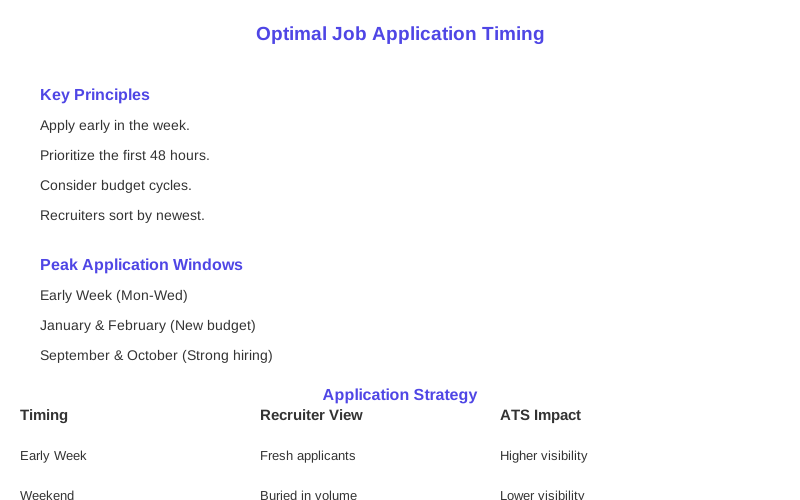
LinkedIn News reports that early-week applications tend to perform best, and they're not wrong.
The Real Answer
The real answer to optimal timing isn't a specific hour, it's a window of opportunity tied directly to recruiter workflow and company budget cycles. Recruiters, myself included, are often drowning in open reqs. My Workday dashboard was always sorted by 'newest applicants first' for a reason. I wasn't scrolling through 500 profiles from last week if 50 new ones just landed. A Reddit thread on recruiting confirms many recruiters sort by newest first.
What's Actually Going On
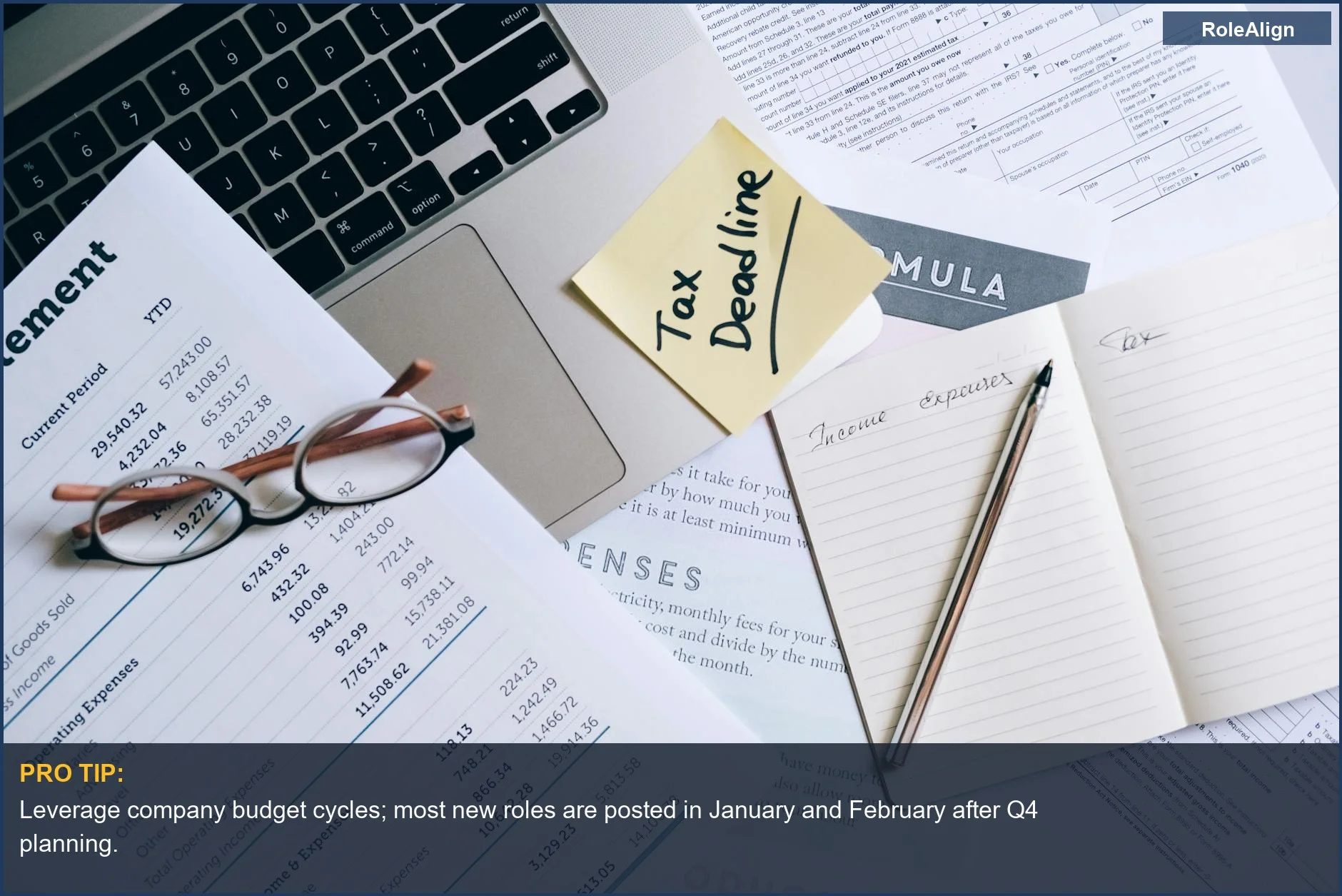
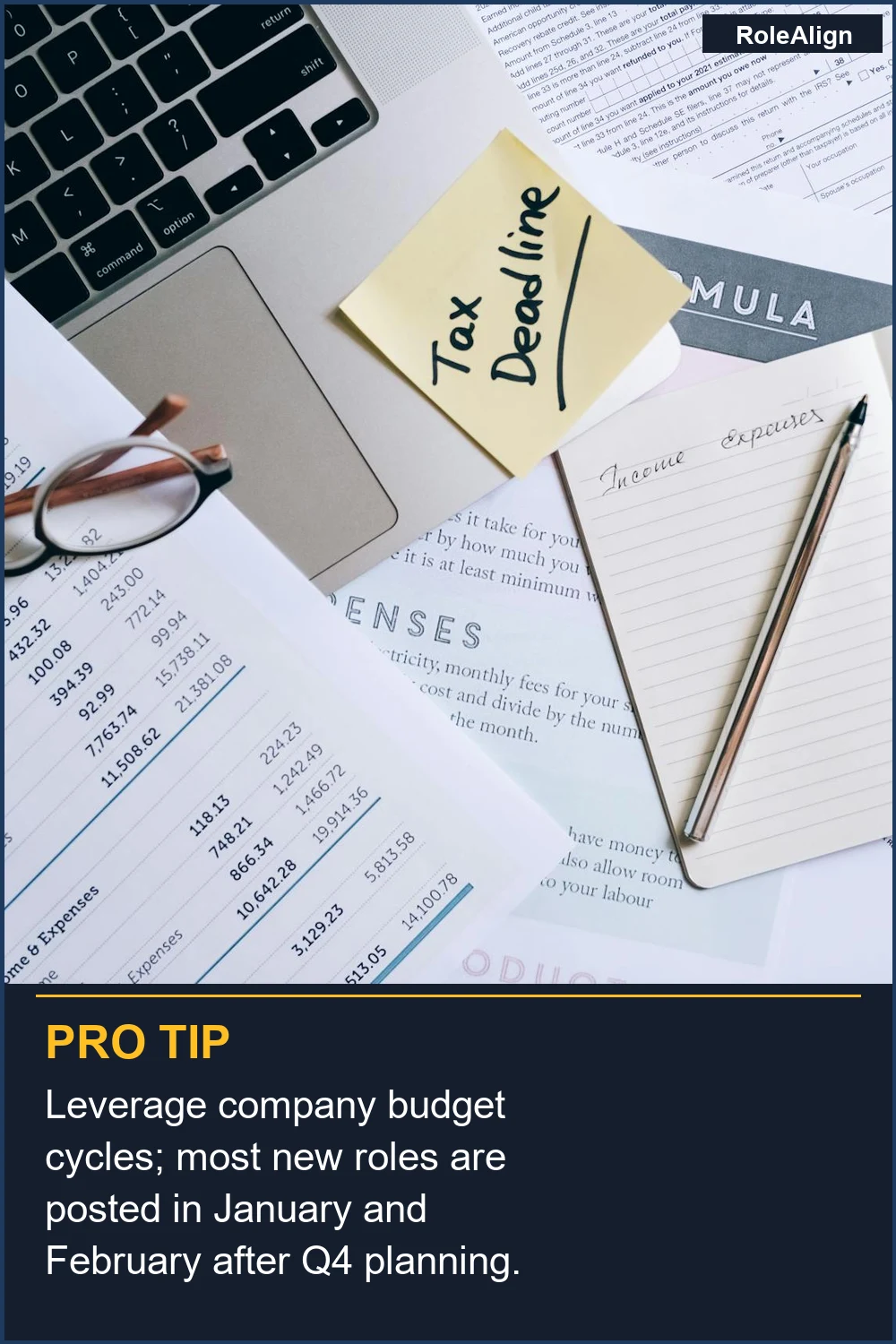
What's actually going on boils down to three core mechanics: budget cycles, recruiter availability, and ATS sorting. Companies usually finalize annual budgets and headcount in Q4, with new allocations kicking in January. This means a flurry of new reqs get posted in January and February. AiApply notes February as a peak hiring period, and September/October as consistently strong.
How to Handle This
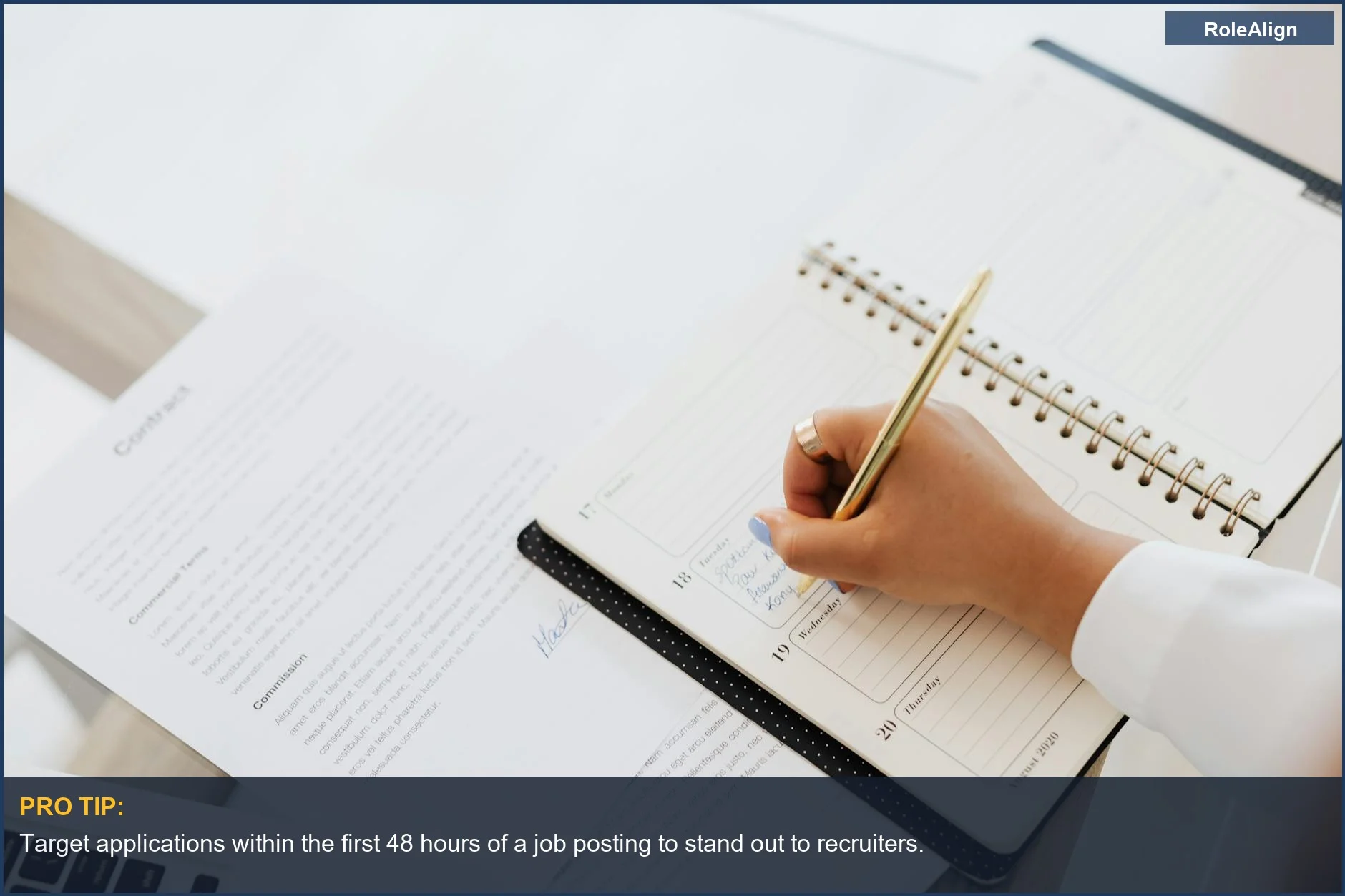
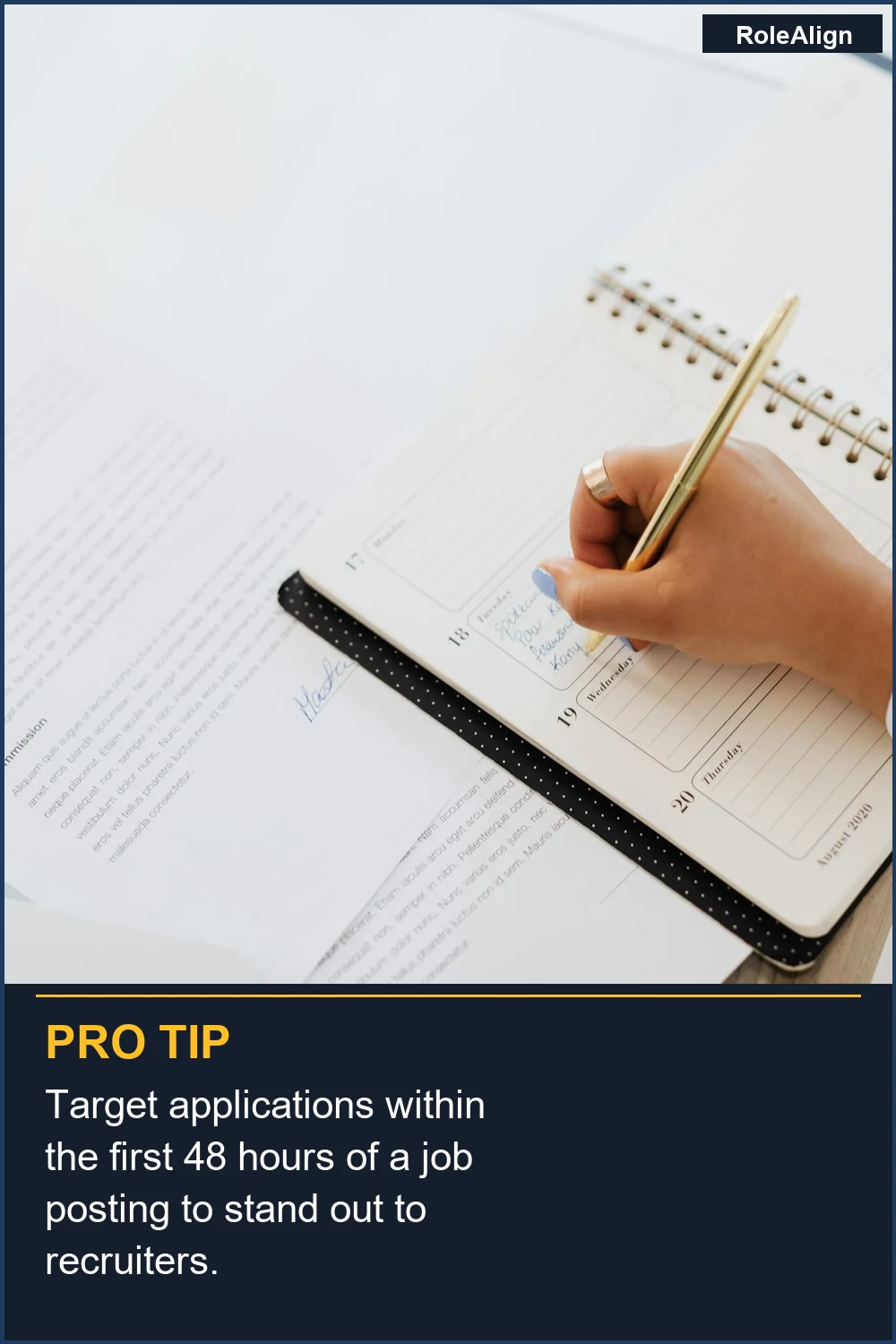
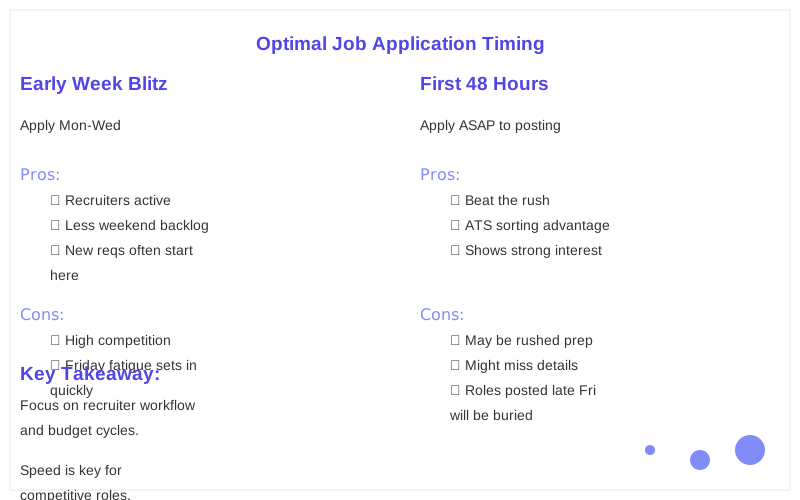
To handle this, you need to think like a recruiter with a caffeine addiction and too many open tabs. First, prioritize speed. For highly competitive roles, aim to apply within the first 48 hours of a job posting going live. My Lever system would often flag applications that came in after the initial surge, pushing them lower in the queue. Metaintro's analysis suggests applying within the first 48 hours for competitive roles to be in the initial reviewer batch.
What This Looks Like in Practice
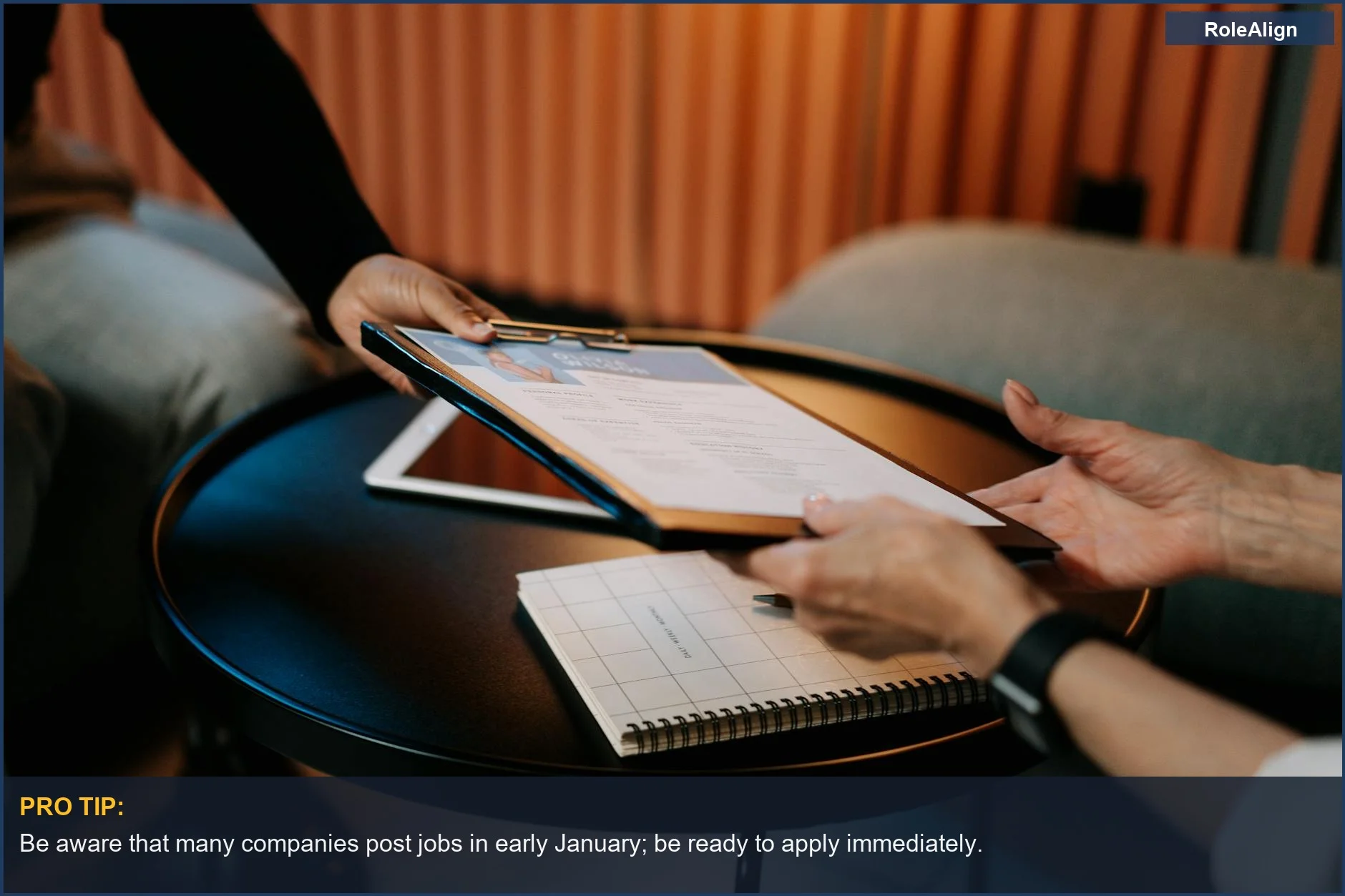
This looks like a lot of recruiters frantically posting jobs in January. My old company, a mid-sized tech firm, would greenlight 15-20 new engineering roles on January 2nd. Those postings would hit LinkedIn and Greenhouse, and my 'recruiter brain' immediately went into overdrive. Metaintro's data shows Tuesday through Thursday mornings (8-11 AM) have 30 percent higher response rates.
Mistakes That Kill Your Chances
Don't be the person making these rookie errors. I've seen them all, and they all lead to the resume graveyard.
Key Takeaways
Look, the job market isn't a lottery; it's a system with rules. Understanding those rules, especially the ones that govern my 'recruiter brain' and the ATS platforms I configured, gives you a distinct advantage. It's about playing the game smart, not just playing it hard. CBH's insights emphasize standing out, and timing is a part of that strategy.
Frequently Asked Questions
Is it worth paying for a 'resume optimization' service that promises to get my application seen at the 'right time'?
Do I really need to track the company's time zone to apply at 8 AM their time?
What if I apply on a Tuesday morning, and the job posting has already been up for a week?
Can applying at the 'wrong' time actually hurt my chances, beyond just getting buried?
I heard that applying on a Monday morning makes you look eager. Is that true?
Sources
- Best Times To Apply for Jobs in 2026 | Tips Inside - LinkedIn
- Best Time to Apply for Jobs: Complete 2026 Strategy Guide - Metaintro
- Job Search Advice and Steps for Job Seekers To Take in 2026
- Is there a perfect or “more appropriate” time for submitting a job ...
- Best Time of Year to Apply for Jobs in 2026 - AiApply