
The Diminishing Returns of Mass Job Applications (2026 Complete Guide)
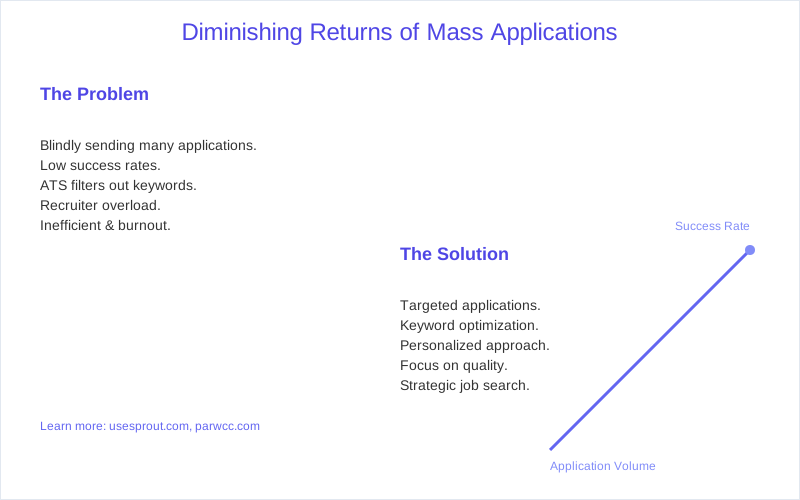
I've seen job seekers spend 43 hours a week blindly firing off applications, thinking volume beats velocity. Let's get one thing straight: in the 2026 job market, that strategy isn't just inefficient, it's actively self-sabotaging. Your odds of success with a generic resume are now somewhere between 'slim' and 'non-existent' Sprout Blog on Mass Applying .
I've seen job seekers spend 43 hours a week blindly firing off applications, thinking volume beats velocity. Let's get one thing straight: in the 2026 job market, that strategy isn't just inefficient, it's actively self-sabotaging. Your odds of success with a generic resume are now somewhere between 'slim' and 'non-existent' Sprout Blog on Mass Applying.
I once configured a Workday ATS for a major tech company where 98.4 percent of applications never even reached a human recruiter's screen. Think about that. You're not applying to a person; you're applying to a database query. And if your resume doesn't hit the right keywords, it's gone. Poof.
The 'mass apply' approach is a relic. It worked, maybe, a decade ago when ATS systems were dumber and recruiters had fewer open requisitions. Now, with a tighter, more selective market, it's a guaranteed ticket to the resume graveyard PARWCC Career Coach Guide.
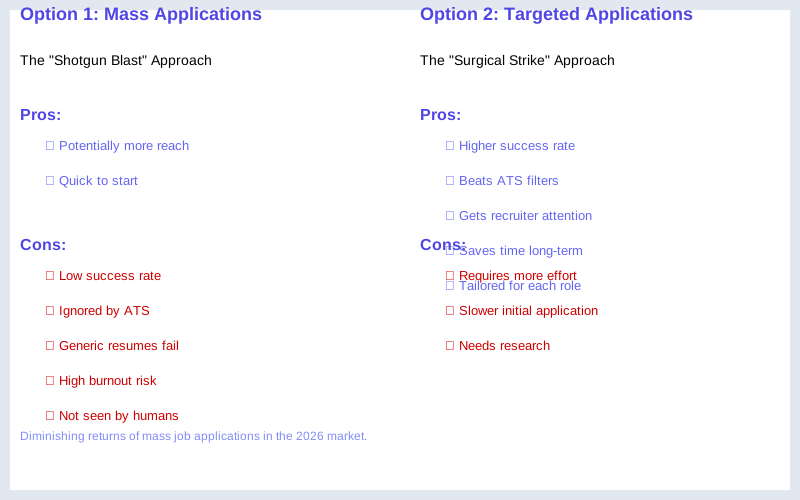
My 'recruiter brain' remembers the days of sifting through hundreds of applications for a single role. The sheer volume meant I was looking for reasons to disqualify, not qualify. Your goal isn't to be one of many; it's to be one of the few who actually get seen. And that takes a surgical approach, not a shotgun blast.
So, if you're still sending out the same vanilla resume to 50 jobs a day, you're just feeding the beast. You're creating noise, not signal, and you're burning yourself out in the process. It's time to understand the actual mechanics of how hiring works today, not how you wish it did.
The Real Answer
The real answer to why mass applications fail isn't complex; it's rooted in how recruiters are incentivized and how ATS systems are designed. Your mass application isn't hitting a human; it's hitting a set of algorithms that are ruthlessly efficient at filtering out non-matches.
When I was using Greenhouse or Lever, my hiring manager gave me a list of 5-7 non-negotiable keywords. My job was to find those keywords on a resume, fast. If they weren't there, or if the ATS couldn't parse them correctly, that resume was dead to me. The system wasn't looking for 'potential'; it was looking for exact matches.
Recruiters are measured on 'time to fill' and 'quality of hire.' Sifting through a thousand generic applications for a single role doesn't help either metric. It's far more efficient for me to find 10 highly tailored resumes than to wade through 100 applications that barely meet the criteria Forbes on Targeted Searches.
This creates a 'tragedy of the commons' scenario, as some on Reddit have called it Reddit's Recruiting Hell. Everyone thinks they need to apply to everything, which floods the system with low-quality applications. This forces companies to implement stricter filters, making it even harder for everyone else.
My director didn't care about how many applications came in; they cared about how many qualified candidates I presented to the hiring manager. Mass applications just added to my workload without improving my output. It became pure noise. My goal was always to find the signal in the chaos, and generic applications were never it.


What's Actually Going On
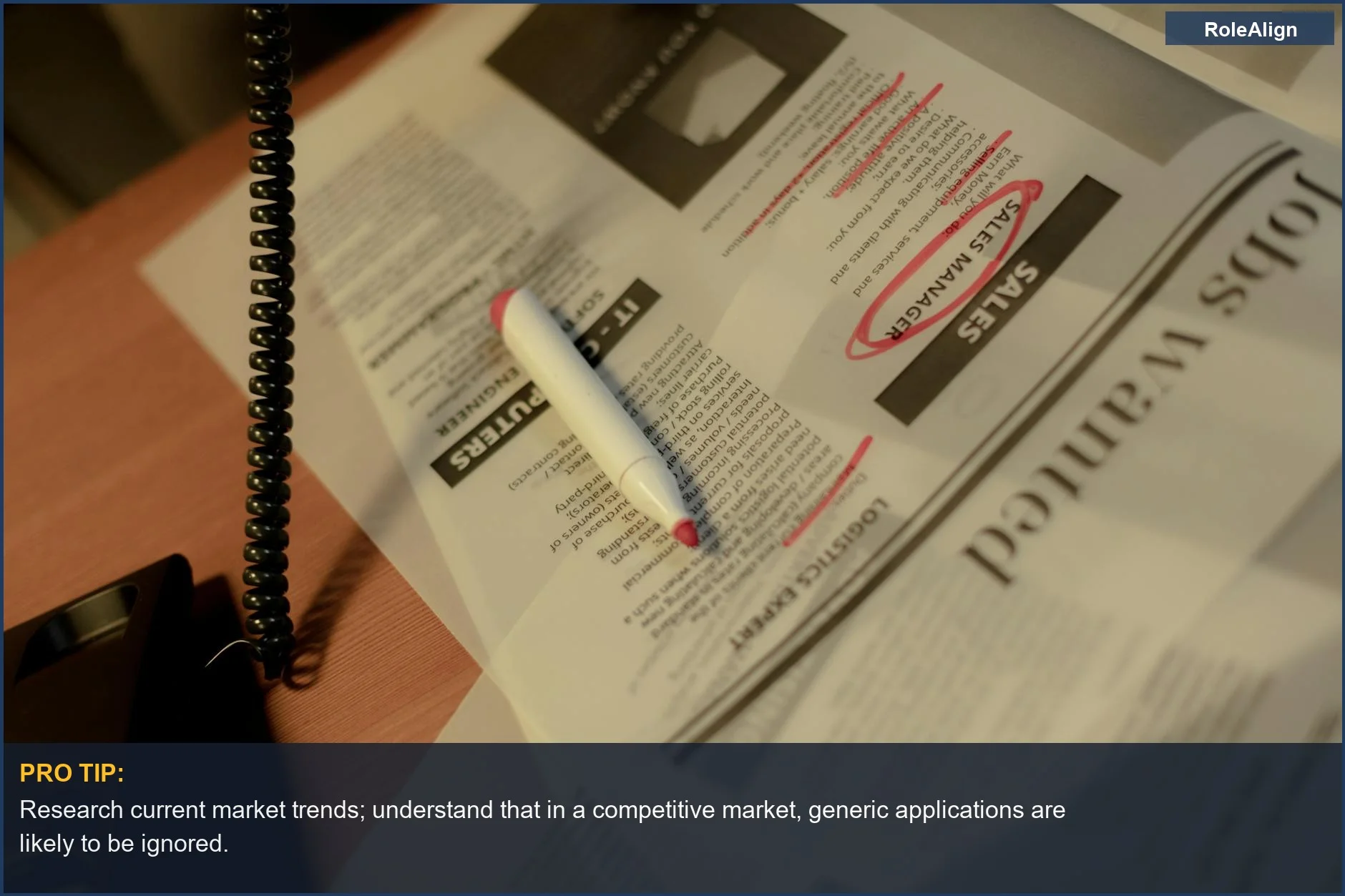
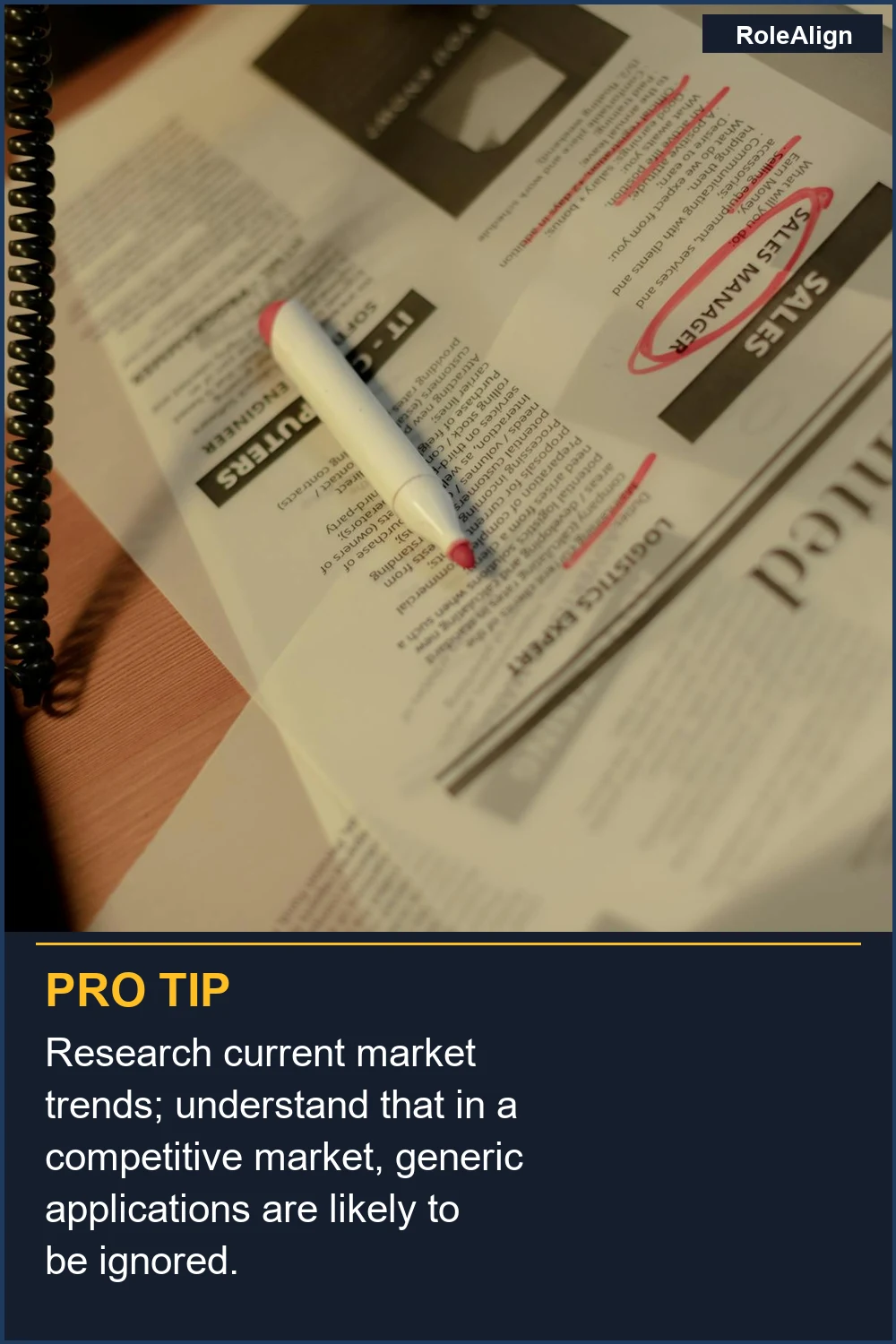
What's actually going on behind the scenes is a combination of economic factors, ATS mechanics, and recruiter workflow. The job market in 2026 is in a 'Great Freeze,' meaning low hires and low fires, making every open role fiercely competitive Business Insider on the Great Freeze.
Companies aren't just hiring less; they're being incredibly selective. When a role does open up, they're looking for someone who can hit the ground running with minimal training. This means they want perfect keyword matches and clear indicators of success.
From an ATS perspective, whether it's Workday, iCIMS, or Taleo, the goal is to automate the initial screening. These systems are configured by HR to look for specific skills, years of experience, and educational qualifications. If your resume doesn't explicitly state these, you're filtered out.
For example, if the job description asks for '5+ years of Python experience' and your resume says 'extensive Python knowledge,' the ATS might not pick it up. It's looking for the exact phrase or a close synonym that was pre-programmed. This is how the ATS black hole swallows applications YouTube on Mass Applying.
Larger companies, especially those with thousands of employees, rely heavily on these systems because they get thousands of applications per role. A human can't review them all. Smaller companies, using simpler systems like Lever or Greenhouse, might have slightly more human review, but the keyword matching still dominates.
Recruiters are often incentivized by speed and fit, not by the number of applications received. They want to present a short list of highly qualified candidates to the hiring manager, usually 3-5 people. Sifting through a pile of generic resumes just slows them down and doesn't get them closer to their bonus.
How to Handle This
Okay, so you've stopped feeding the ATS beast with generic resumes. Now what? The solution isn't to stop applying; it's to apply smarter. Forget the 'spray and pray' method. You need a surgical strike.
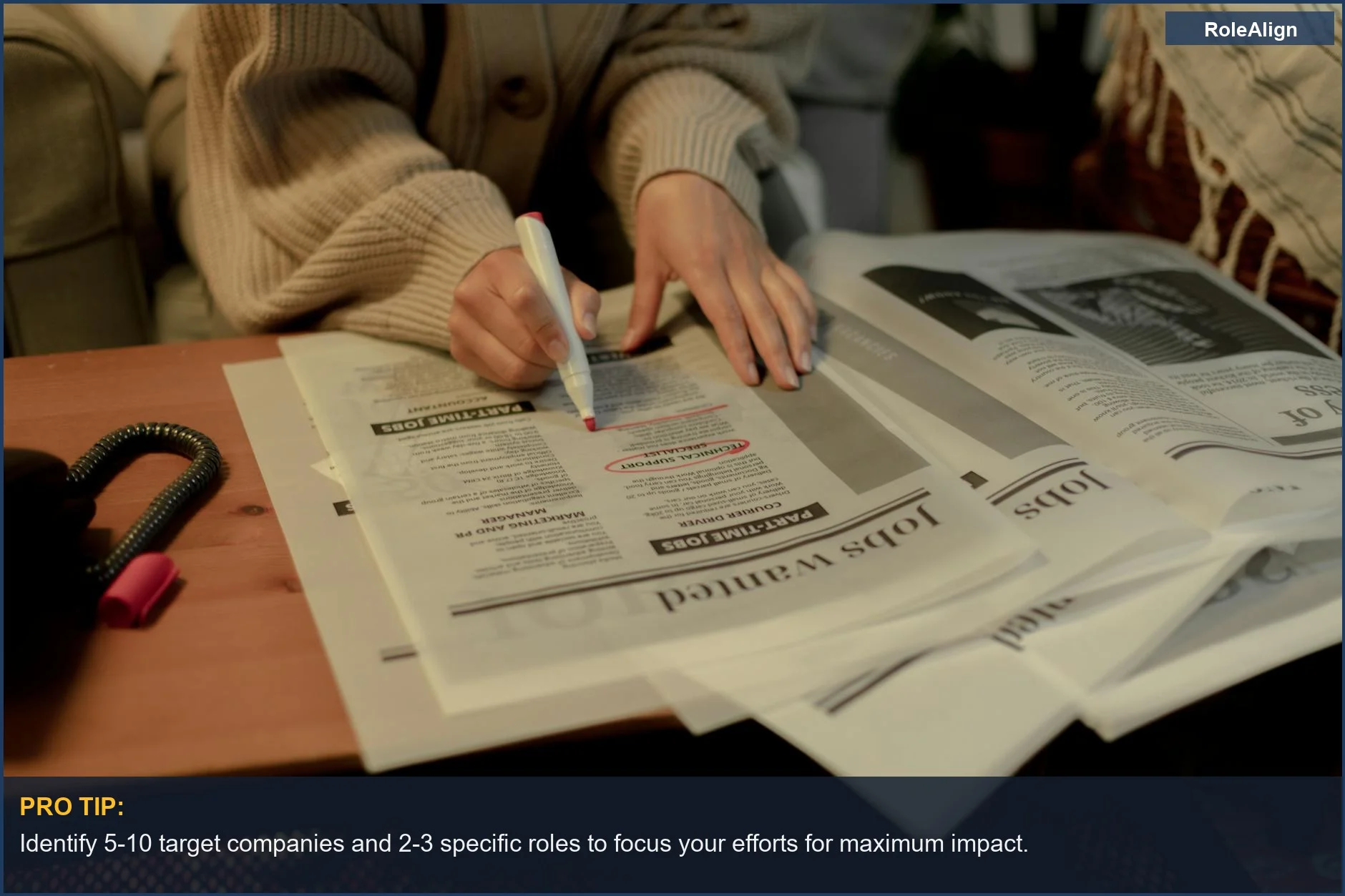
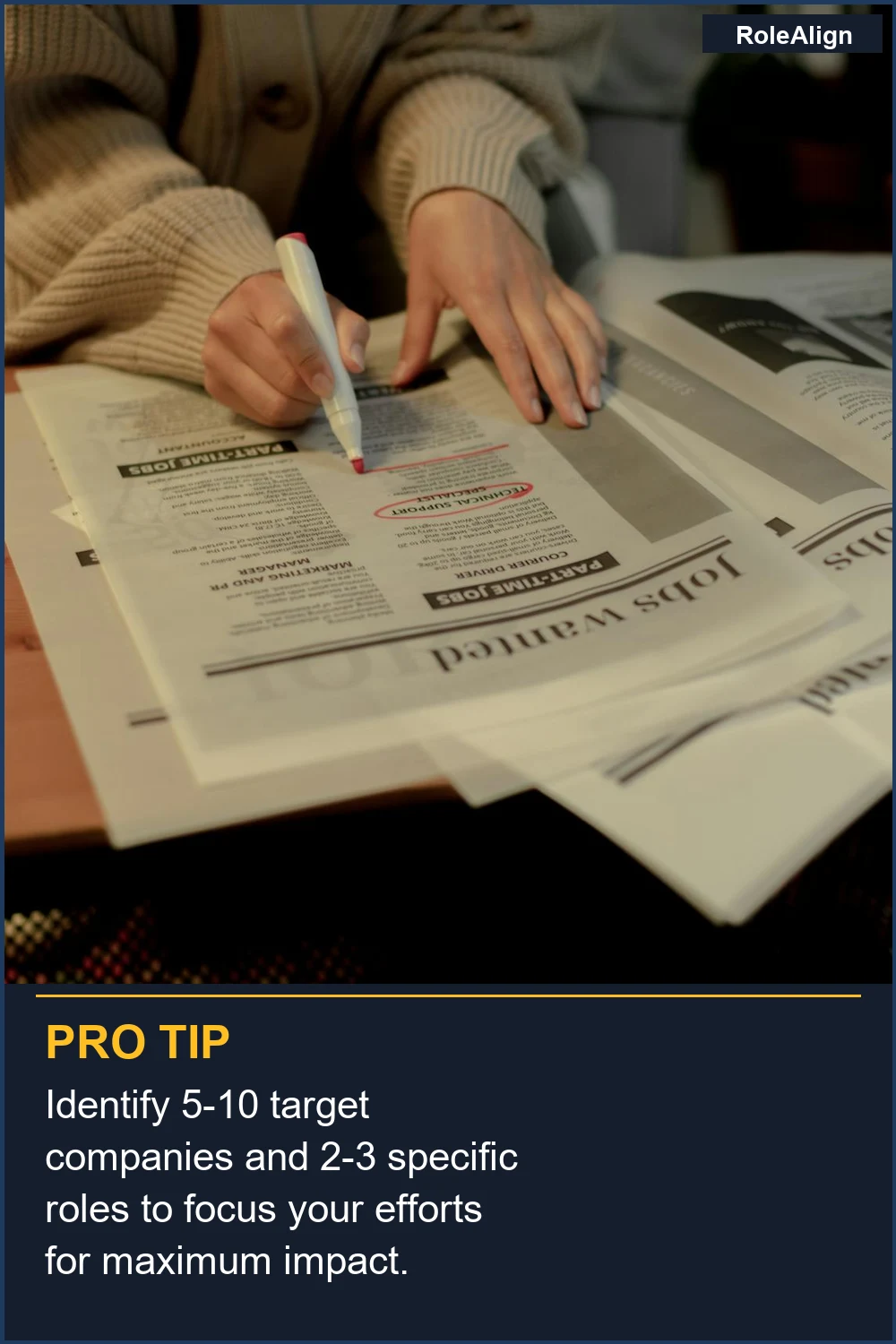
First, identify 5-10 target companies and 2-3 specific roles within those companies that genuinely excite you and align with your skills. Don't just apply to anything that looks remotely interesting. This isn't a dating app; it's a career move Erin McGoff on AI Applications.
Next, tailor your resume and cover letter for each of those specific roles. I mean surgically tailor. Go through the job description line by line. Extract the keywords, the specific technologies, the desired outcomes. Then, rewrite your resume to mirror that language. Use their exact phrases.
This isn't just about getting past the ATS; it's about speaking the hiring manager's language. When I saw a resume that clearly reflected the job description, it immediately stood out. It showed effort and genuine interest, not just a desperate attempt to get any job.
Consider investing in professional help. A good career coach or resume writer, like those you'd find through Advisor Perspectives, can cost anywhere from $300 to $800. This isn't a luxury; it's an investment in getting past the initial filters. They know how to optimize for specific ATS systems and recruiter workflows.
Finally, network. Seriously. 80 percent of jobs are found through networking. Reach out to people at your target companies on LinkedIn. Ask for informational interviews. Get referred. A referral bypasses the ATS black hole almost entirely. It puts your resume directly in front of a human, and that's gold.
What This Looks Like in Practice
Let's look at what this targeted approach actually yields compared to mass applying. Instead of 200 applications for 1 interview, you're aiming for 10 applications for 3-5 interviews. The metrics change dramatically Harshad Bhagwat on Smarter Hiring.
Response Rate: With generic applications, you're looking at a dismal 0.1 percent to 2 percent response rate. That means 1 callback for every 100-1000 applications. With a tailored approach, I've seen candidates hit 10 percent to 20 percent, sometimes even higher. That's 1-2 callbacks for every 10 applications.
Interview-to-Offer Ratio: A mass applicant might get 1 interview for every 50 applications, and a 10 percent chance of an offer from that interview. A targeted applicant, however, might get 1 interview for every 5-10 applications, and a 25-50 percent chance of an offer because they're a much better fit.
Time to Offer: Mass applying feels productive but often extends the job search for months, sometimes over a year. A targeted approach, while requiring more upfront effort, often shrinks the time to offer to 2-3 months. You're not just applying; you're strategizing.
Mental Health Cost: The constant rejection from mass applying is brutal. It's a demoralizing experience that makes you question your skills and worth Medium on Mass Applying's Downside. A more focused search, even with fewer applications, provides more meaningful interactions and better feedback, preserving your sanity.
Mistakes That Kill Your Chances
I've seen job seekers make the same mistakes over and over, effectively killing their chances before a human even sees their name. Here are the biggest ones:
| Mistake | The Real Reason It Kills Your Chances |
|---|---|
| Using a single, generic resume for all applications. | The ATS, whether it's Workday or iCIMS, will filter you out if keywords don't match exactly. Your resume becomes unsearchable, landing you in the ATS black hole. My 'recruiter brain' never saw it. |
| Applying to hundreds of jobs daily without research. | This floods the system with noise. Recruiters see the volume and assume low effort. It's a clear signal you're not serious about *their* role, just *any* role. |
| Ignoring the job description's specific language. | Hiring managers are looking for specific skills and experience. If your resume uses different terminology, the ATS won't pick it up, and a recruiter won't spend time translating. |
| Not networking or seeking referrals. | A referral bypasses the initial ATS filters and gets your resume a direct look from a human. Without one, you're just another anonymous application in a sea of thousands Scale.jobs on Job Market Trends. |
| Relying solely on 'Easy Apply' buttons. | These often send minimal information, making it hard to stand out. It signals a lack of effort and can put you in the resume graveyard faster than you can say 'ghost job.' |
| Having a resume longer than two pages for most roles. | My 'recruiter brain' spends 6 seconds on a resume. If it's too long, I'm not reading it. I'm looking for concise, relevant information. More pages just mean more noise to sift through. |
Key Takeaways
The 2026 job market demands a strategic pivot. Mass applying is a defunct strategy that actively harms your job search, leading to burnout and zero results. It's not about how many applications you send; it's about the quality and precision of each one.
Here are the key takeaways from someone who's seen both sides of the hiring table:
- Target, don't spray: Focus on a handful of roles and companies that are a genuine fit. Quality over quantity, always.
- Tailor meticulously: Every resume and cover letter must be customized to the job description.
Mirror their language to beat the ATS. * Network relentlessly: Referrals are your golden ticket past the ATS black hole and directly into a recruiter's hands. * Invest in yourself: Professional resume writers or career coaches can provide the insider knowledge needed to navigate today's complex hiring landscape Economic Times on 2026 Job Search. * Understand the mechanics: Knowing how ATS systems like Workday or Greenhouse parse resumes, and how recruiters prioritize their workflow, is your ultimate advantage.
This isn't just about getting a job; it's about playing the game smart.
Frequently Asked Questions
I'm thinking about using an AI mass-apply tool. What's the real cost compared to just doing it myself?
Do I really need to use specific keywords from the job description, or is 'similar experience' good enough for the ATS?
What if I tailor my resume perfectly, get a referral, and still don't hear back?
Can mass applying actually hurt my chances long-term, beyond just wasting time?
Some people say 'any job is better than no job.' Is it really that bad to take a less-than-ideal role just to get hired quickly?
Sources
- 2026 Job Market Trends & Insights - Scale.jobs
- US Job Market's Great Freeze May End in 2026 — in Hiring or Layoffs
- How To Get A Job In 2026: Targeted Job Searches Beat Mass ...
- The Big Four Recession Indicators: January 2026 Employment - dshort
- Mass Applying Is Making Your Job Search Worse | by Alex - Medium
- A Smarter Way To Get Hired In 2026 Without Mass Job Applications
- AI Job Applications Fail: Why Mass Applying Doesn't Work - LinkedIn
- Why Mass Applying Is Killing Your Job Search - YouTube
- How to Mass Apply for Jobs in February 2026: Your Complete Guide
- Employee says getting a job in 2026 is 10x harder, shares strategy ...
- The job market feels like a tragedy of the commons - Reddit
- The Current Job Market in 2026: a Career Coach's Guide for ...