
How to Know If a Job Offer is Actually Good (2026 Complete Guide)
You just got the offer. The recruiter sounds thrilled, the role sounds intriguing, and the number on the page feels... okay? You're not entirely sure. This is the critical juncture where relief from ending a grueling job search can cloud judgment, leading to either hasty acceptance or prolonged, unfocused anxiety.
You just got the offer. The recruiter sounds thrilled, the role sounds intriguing, and the number on the page feels... okay? You're not entirely sure. This is the critical juncture where relief from ending a grueling job search can cloud judgment, leading to either hasty acceptance or prolonged, unfocused anxiety. Neither serves you. You need a systematic way to evaluate the entire offer, not just the salary. The 2026 job market is proving challenging, with 73% saying job searching is harder than ever. A bad offer doesn't just cost you money; it drains your time, energy, and career momentum. As one guide points out, a job offer is a comprehensive package of compensation, expectations, and culture that profoundly impacts your daily life. Failing to properly evaluate it can send you back to the market within a year, often with less confidence and a less appealing resume. Understanding how to evaluate a job offer effectively is paramount.
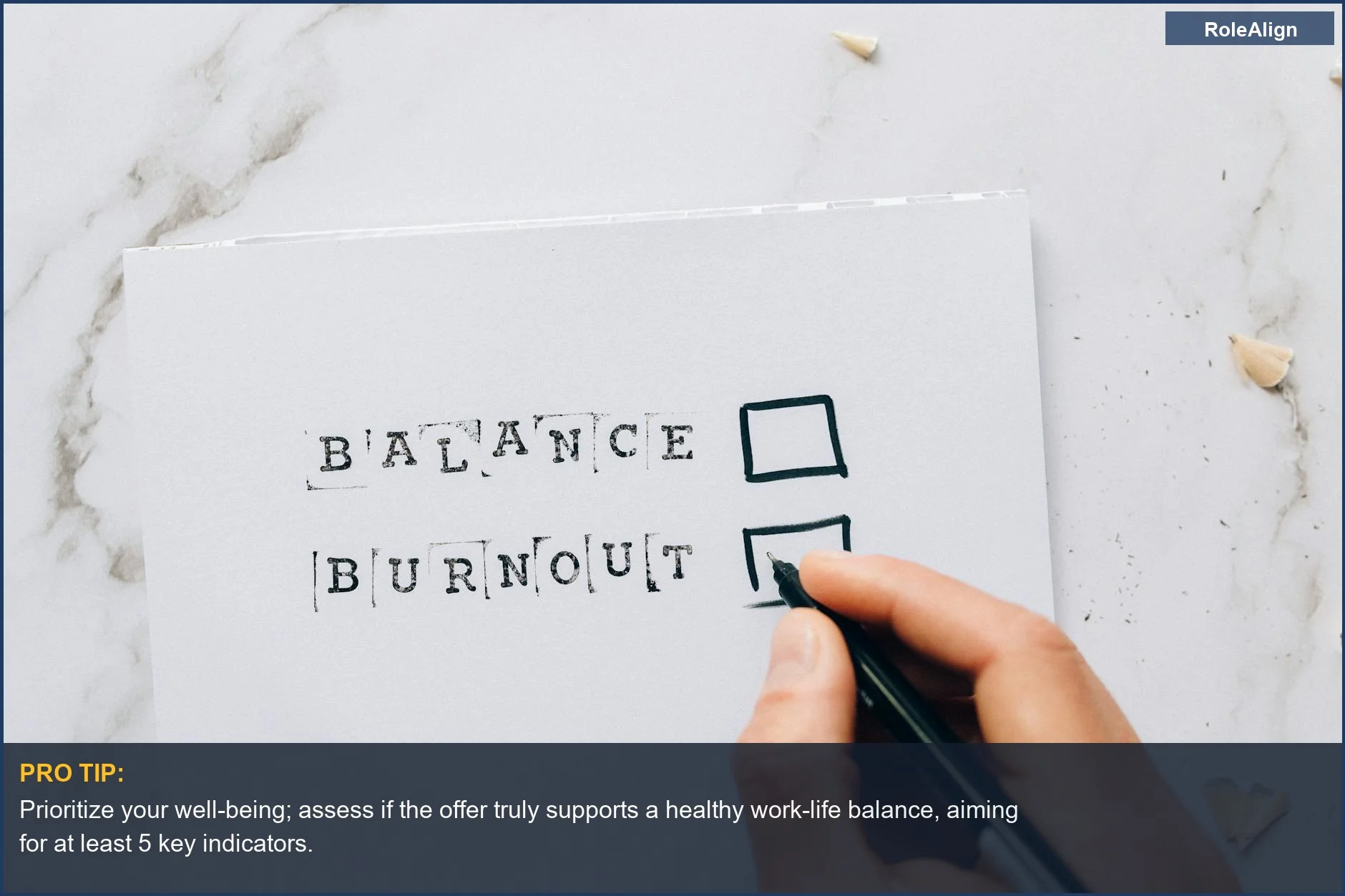
Beyond the initial salary figure, a truly good job offer encompasses a multitude of factors that contribute to your overall satisfaction and long-term career trajectory. It's crucial to assess not only the immediate financial compensation but also the less tangible aspects that can significantly impact your daily experience. This includes a thorough examination of benefits, such as health insurance, retirement plans, and paid time off, which can represent substantial hidden value. Furthermore, the offer should align with your desired work-life balance, offering reasonable expectations for hours and flexibility. Career growth potential is another vital component; a good offer will present clear pathways for advancement and opportunities to develop new skills. As highlighted by EPM Scientific, assessing salary, benefits, work-life balance, and career growth is key to evaluating offers confidently in their comprehensive guide. Considering how a new role might affect your ability to network is also important for long-term career health as suggested by Indeed. Therefore, approaching the evaluation with a holistic perspective, as recommended by Princeton's Center for Career Development in their coaching process, will help you make a truly informed decision.
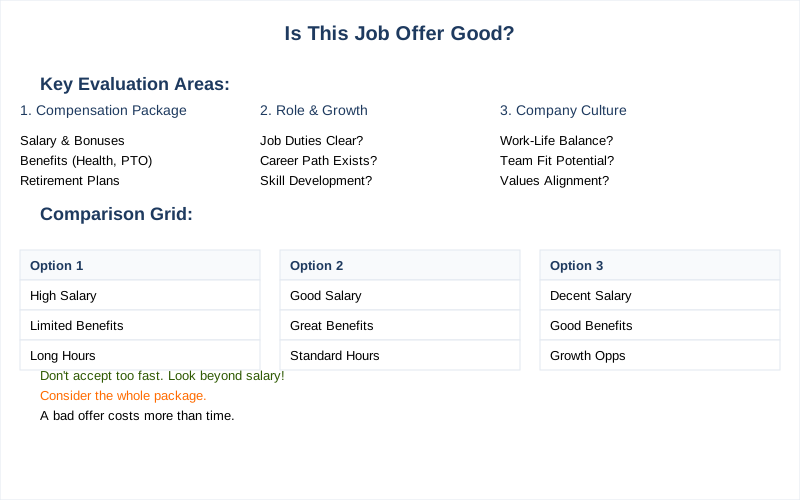
Recruiters evaluate job offers through a lens of fit and long-term value, not just immediate candidate relief. Your assessment must mirror this by looking beyond salary to the holistic package, including career growth, culture, and your ability to network, ensuring the offer aligns with your professional trajectory.
The biggest mistake candidates make is accepting too quickly out of sheer relief after a grueling job search. Remember, 73% say job searching is harder than ever 2026 Job Market Guide: What 48% Applying to 100+ Jobs Must Know, so the emotional pull to say "yes" is immense. However, a bad offer can cost you far more than just time and energy; it impacts career momentum and mental well-being.
When evaluating a job offer, think like a recruiter. They are assessing not just if you can do the job, but if you fit the team and organization long-term. This means scrutinizing the organization's culture, its mission and values, and its financial stability, as outlined by USC's Career Center What to Consider When Evaluating a Job Offer - USC Career Center. A role that underpays or burns you out will send you back to the market quickly, often with less confidence.
Salary is crucial, but it's rarely the sole determinant of a good job offer. Ideally, aim for a salary at least 10% above your current package, using resources like Glassdoor or Payscale to research market rates How to Evaluate a Job Offer Effectively - EPM Scientific. However, don't let a lower base salary blind you if the overall package-including bonuses, subsidized benefits like healthcare and childcare-is strong. Sometimes, a role with a slightly lower initial salary can offer a guaranteed and exciting career track with greater future rewards.
Beyond compensation, consider the work-life balance, commute, and opportunities for professional development. A role that negatively impacts your personal life or stunts your growth is rarely a good long-term bet. Also, assess how the position can affect your ability to network within the industry, a key factor in career progression 18 Important Considerations Before Accepting a Job Offer - Indeed. Focus on resilient roles and build skills that align with current demand Tips for Navigating the Job Market in 2026 - Concero.
Finally, look for red flags. A salary significantly below market value, vague expectations, or a company culture that feels off are major warning signs. You need a clear framework to distinguish between "negotiate harder" and "walk away" scenarios How to Know If a Job Offer Is Good (5 Red Flags to Watch For).



- Delayed Offer for Senior Data Scientist: A FinTech startup offered a competitive salary for a Senior Data Scientist, but the offer letter lacked stock option details and had a vague start date. This indicated potential internal disarray How to Know If a Job Offer Is Good (5 Red Flags to Watch For). The candidate's persistence in seeking clarification on equity and a firm start date led to a revised offer. Accepting the initial offer without due diligence would have risked an unfavorable equity package or prolonged waiting period.
- "Too Good to Be True" Offer for Entry-Level Marketing Coordinator: A large CPG company offered an entry-level Marketing Coordinator a surprisingly high base salary and extensive benefits, exceeding industry benchmarks How to Evaluate a Job Offer Effectively - EPM Scientific. Concerns arose about potential downsides like long hours or a high-pressure culture. The candidate's research on company culture via Glassdoor and conversations with current employees verified work-life balance and satisfaction. Solely focusing on compensation without investigating intangible aspects would have been a mistake.
- Career Pivot Offer for Product Manager: A candidate transitioning into Product Management from a non-technical field received an offer from a Series A SaaS company. While the salary was below their previous earnings, it included significant equity and a clear path for professional development and mentorship, trading immediate compensation for long-term growth concero.com. The candidate's success came from defining financial needs, negotiating equity for long-term goals, and securing training commitments. Accepting without understanding the equity's true value or development commitment would have been detrimental.
- Under-Market Offer for Mid-Level UI/UX Designer: A UI/UX Designer received an offer significantly below the market rate for their experience and location, despite accounting for benefits uw.edu. The recruiter's emphasis on "great company culture" and "exciting projects" was vague. The designer succeeded by using salary research tools (Payscale, Glassdoor) to build a negotiation case, highlighting skills and portfolio achievements. Accepting the offer at face value would have led to financial strain and resentment.


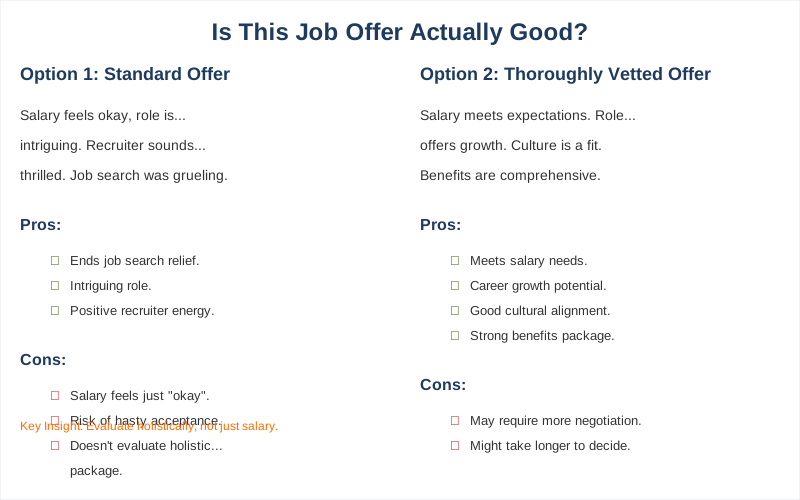
- Don't accept an offer out of relief. After a tough job search, where 73% say searching is harder than ever, it's tempting to say yes immediately. But a bad offer costs time, energy, and career momentum, often sending you back to square one within a year How to Know If a Job Offer Is Good (5 Red Flags to Watch For).
- Evaluate the full package, not just salary. Consider benefits like healthcare and PTO, as well as growth potential and work-life balance. Sometimes, a strong benefits package can offset a slightly lower base salary What to Consider When Evaluating a Job Offer.
- Research market rates diligently. Your salary should reflect your worth, ideally at least 10% above your current package. Use resources like Glassdoor and Payscale to ensure the offer aligns with industry standards How to Evaluate a Job Offer Effectively.
- Focus on impact and resilience. In the current market, employers want proof of outcomes. Emphasize quantifiable results and build skills that align with demand to negotiate with flexibility Tips for Navigating the Job Market in 2026.
- The single most important thing a recruiter would tell you off the record? Never accept an offer if you have significant doubts; it's always better to keep looking.
Frequently Asked Questions
How do I know if a job offer is actually good?
What are the key signs of a good job offer?
Besides salary, what else should I consider when evaluating a job offer?
What are some red flags that might indicate a job offer isn't as good as it seems?
How do I compare a job offer to industry standards?
Sources
- www.glassdoor.com
- usc.edu
- concero.com
- epmscientific.com
- uw.edu
- How to Know If a Job Offer Is Good (5 Red Flags to Watch For)
- www.payscale.com
- How to Evaluate a Job Offer Effectively - EPM Scientific
- 18 Important Considerations Before Accepting a Job Offer - Indeed
- Tips for Navigating the Job Market in 2026 - Concero
- 2026 Job Market Guide: What 48% Applying to 100+ Jobs Must Know
- What to Consider When Evaluating a Job Offer - USC Career Center
- usc.edu