
Identifying Transferable Skills for a Career Pivot Into AI (2026 Complete Guide)
I once saw a resume from a 'Data Whisperer' who claimed 12 years of experience but couldn't explain the difference between a join and a union. The AI career guides online, like Job Skills for 2026 , often talk about 'creativity' and 'empathy' as crucial skills.
I once saw a resume from a 'Data Whisperer' who claimed 12 years of experience but couldn't explain the difference between a join and a union. The AI career guides online, like Job Skills for 2026, often talk about 'creativity' and 'empathy' as crucial skills. Sure, those are great for human interaction, but they won't get your Python script to run in a Docker container. The unglamorous part is often the real barrier.
The Real Answer
The real reason traditional career pivots often fail in AI is simple: employers aren't looking for 'potential' anymore. They're looking for proof you can actually do the job, right now, with minimal hand-holding. Your old job title means less than you think. The 2026 Career Switch Roadmap correctly points out that a 'credential-first' mindset is dead.


What's Actually Going On
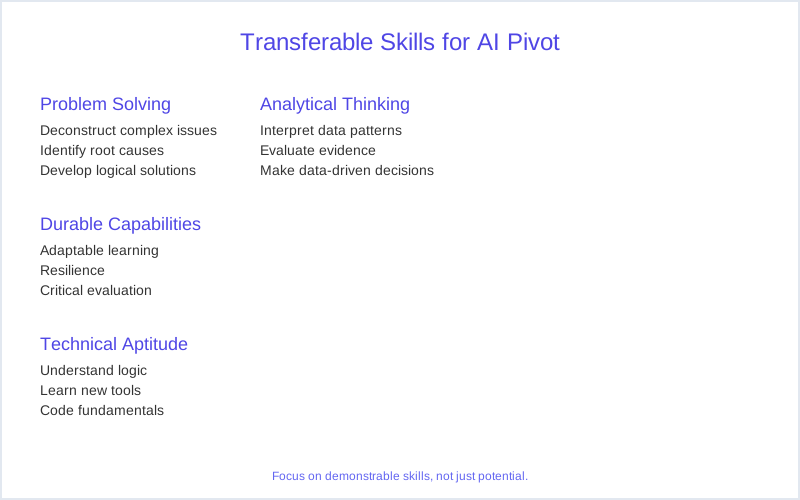
What's actually going on in the hiring process is a brutal filtering system, driven by necessity. Companies are trying to de-risk hires, especially for AI roles where a bad model can cost millions or damage brand reputation. This is where MBA.com highlights problem-solving and analytical thinking as key transferable skills.
How to Handle This
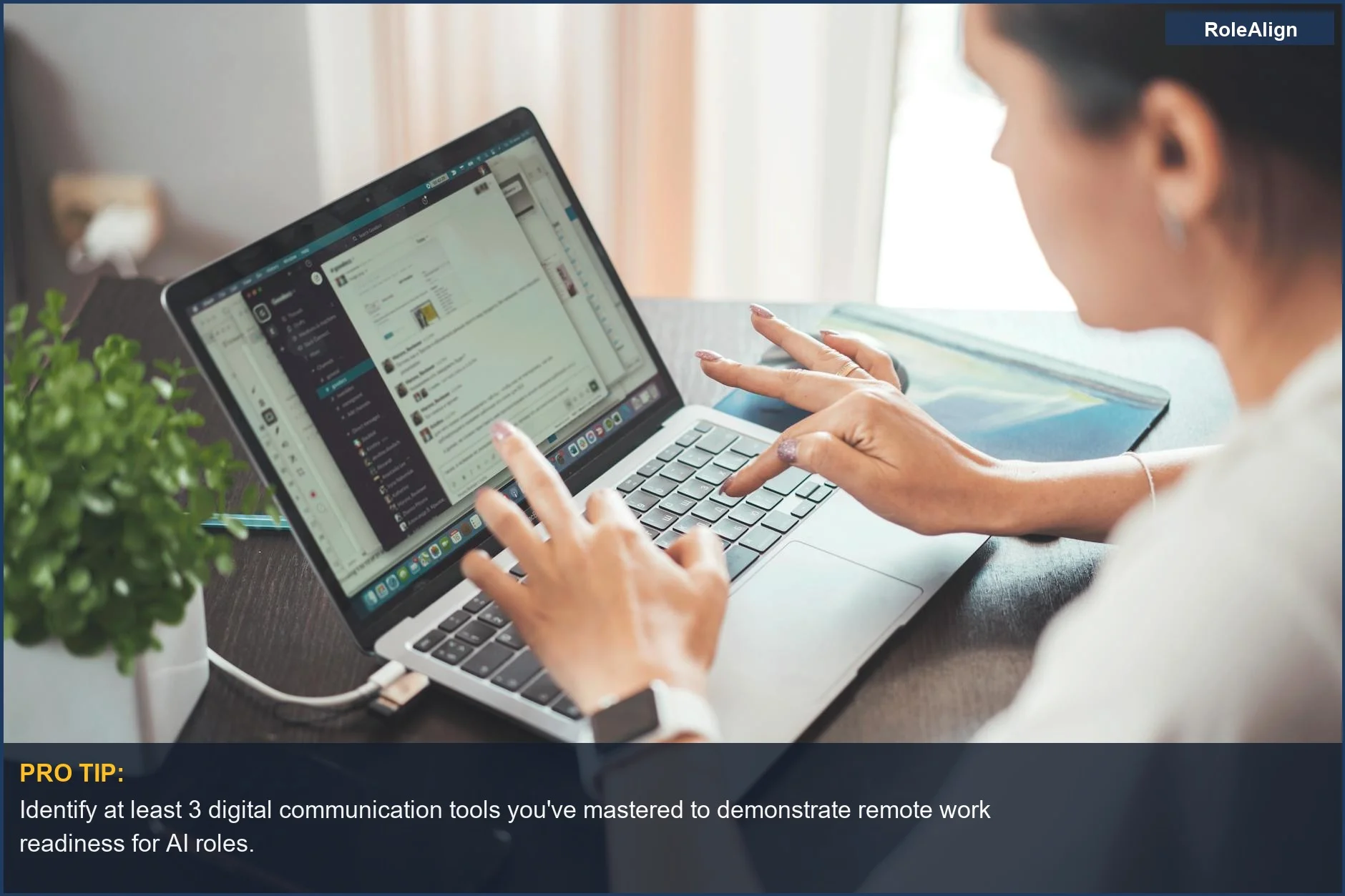
Okay, so you've swallowed the red pill. Now, how do you actually make this pivot happen without falling for bootcamp promises of 'six-figure salaries in 12 weeks'? You need a plan that respects the pivot tax and the operational reality. Sensei Copilot emphasizes durable, transferable capabilities over chasing every new tool.
What This Looks Like in Practice
Let's put this into perspective with some actual numbers, not just vague advice. I've seen a sales operations manager, earning $90,000, pivot to a data analyst role at $75,000, then grow to an ML Ops role at $130,000 in three years. Their first model had a 72 percent accuracy on test data, which they improved to 89 percent after two months of data cleaning, not fancy algorithms. That 17 percent jump was all about the unglamorous part.


Mistakes That Kill Your Chances
So many people crash and burn on their AI pivot because they make easily avoidable mistakes. They listen to the LinkedIn hype instead of looking at the actual job requirements. Here's what I've seen kill more applications than a bad resume: Reddit discussions confirm that traditional skills like communication still matter.
Key Takeaways
Pivoting into AI isn't about magic or chasing every new framework that drops. It's about strategic self-assessment, relentless execution, and a willingness to embrace the unglamorous 80 percent of the job. You need to understand the signal vs hype. Resumly.AI provides a step-by-step process for mapping transferable skills, and it's a good place to start.
Frequently Asked Questions
Should I pay $500 for a resume review service that claims to 'AI-optimize' my resume, or can I do it myself?
Do I really need to learn Docker if I'm aiming for an entry-level ML Engineer role, or can I get by with just Jupyter notebooks?
What if I spend months building a portfolio project, and it still doesn't get any attention during my job search?
Can focusing too much on 'transferable skills' make me seem like I lack specific AI technical knowledge?
Is it true that knowing how to prompt AI tools like ChatGPT is enough to get an 'AI job' in 2025?
Sources
- Top Skills for 2026: Future-Proof Skills Employers Are Hiring For
- Job Skills for 2026: A Comprehensive Guide for Career Development
- Step‑by‑Step Process for Mapping Transferable Skills - Resumly.ai
- What is the Smartest Career Pivot in 2026? - MBA.com
- The 2026 Career switch Roadmap: A Skill-First Guide to Job ...
- reddit.com