How to Quit Your Job Without Burning Bridges (2026 Complete Guide)
RoleAlign Team
14 min read
Prices verified February 2026
Includes Video
You've just received the dreaded email: "We regret to inform you that your application was not selected for further consideration." Staring at the rejection, you're reminded that your current role, while stable, isn't where you want to be long-term. The thought of leaving looms, but the fear of burning bridges is a powerful deterrent.
You've just received the dreaded email: "We regret to inform you that your application was not selected for further consideration." Staring at the rejection, you're reminded that your current role, while stable, isn't where you want to be long-term. The thought of leaving looms, but the fear of burning bridges is a powerful deterrent. You know that a bad exit can haunt your career, impacting future references and industry connections LVI Associates. The idea of a smooth resignation, one that preserves relationships and keeps doors open, feels like a distant dream. But it's entirely achievable. In fact, studies show that 68% of employers are open to rehiring former employees IT Expert. This guide will equip you with the strategies to quit your job professionally, ensuring your departure benefits, rather than harms, your future career prospects. We'll cover how to resign without burning bridges, transforming a potentially awkward situation into an elegant exit.
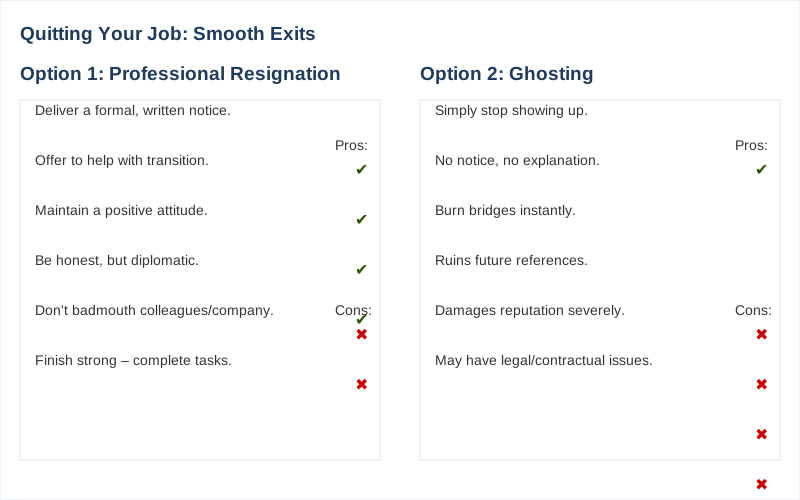
Leaving a job is a significant career juncture, and how you navigate this transition can have lasting repercussions. A hasty or unprofessional departure can lead to a tarnished reputation, making it difficult to secure future employment or obtain positive references. As highlighted by SHRM, it's never a good idea to quit without notice, as this can result in a bad reputation and negatively impact reference checks SHRM. The goal is to execute an "elegant exit," a term that encapsulates a graceful and respectful departure. This involves a strategic approach, beginning with carefully considering your motivations for leaving The Art of the Elegant Exit: How to Resign Without Burning Bridges. Preparing a clear and structured answer to the inevitable question of "Why are you resigning?" is crucial for maintaining professionalism IT Expert. By planning your exit strategically and communicating your intentions thoughtfully, you can ensure that your departure is met with understanding rather than resentment, paving the way for continued positive professional relationships.
Key specifications for How to Quit Your Job Without Burning Bridges
## The Real Answer
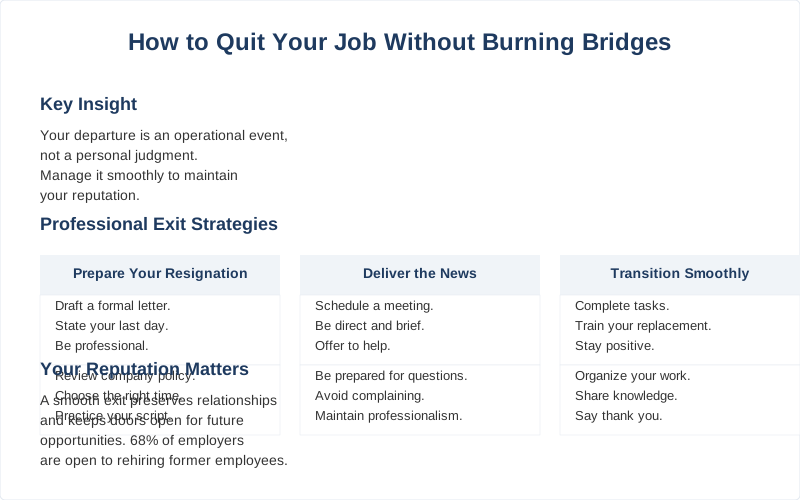
The core insight for recruiters is that your departure is an operational event, not a personal judgment. Your goal in quitting professionally is to manage that event smoothly, ensuring your reputation as a reliable professional remains intact, which is crucial for future opportunities.
Recruiters don't see your resignation as a personal slight; they see it as a data point. Your professional conduct during your exit directly influences how they, and by extension, future hiring managers, will perceive your reliability and integrity. A smooth exit means you've managed your responsibilities to the end, leaving your employer in a stable position. This is far more valuable than any perceived slight you might feel you're delivering by leaving. It's about leaving things better off than when you arrived, not about how you feel about your current role Without Drama or Burnt Bridges: A Guide to a Smooth Resignation.
The key to an elegant exit is strategic communication. Always inform your manager first in person, followed by a professional resignation letter How to Leave Your Job Without Burning Bridges. Frame your departure positively, focusing on your personal growth or new opportunities rather than grievances. This isn't about hiding the truth, but about choosing your words to maintain professional relationships and avoid defensiveness The Art of the Elegant Exit: How to Resign Without Burning Bridges.
Give proper notice, typically two weeks, in line with your contract and industry standards How to Quit Your Job Without Burning Bridges Professionally. During this period, remain committed to your responsibilities and actively assist in the transition process. This demonstrates your dedication and professionalism, ensuring your colleagues and managers are prepared for your absence. Completing your notice period diligently is paramount to avoid a bad reputation and jeopardizing future references How to Resign Without Burning a Bridge.
Remember, the professional world is smaller than you think. You might cross paths with former colleagues or managers again. In fact, studies show that 68% of employers are open to rehiring former employees, a phenomenon known as "boomerang hiring" Without Drama or Burnt Bridges: A Guide to a Smooth Resignation. Leaving on good terms ensures these doors remain open for potential future opportunities or collaborations.
Building trust through a handshake signifies a professional departure. Aim for at least a 2-week notice to leave your role without burning bridges.
| Photo by MART PRODUCTION
Building trust through a handshake signifies a professional departure. Aim for at least a 2-week notice to leave your role without burning bridges.
| Photo by MART PRODUCTION
## What's Actually Going On
1
Understand the Recruiter's Reality - Recruiters and hiring managers are swamped. They scan resumes for keywords and immediate relevance, often aided by Applicant Tracking Systems (ATS). Your goal is to make yourself look like an easy "yes." SHRM highlights that references are crucial, and a bad exit can tank your reputation. Beyond formal references, word-of-mouth within an industry travels incredibly fast. A reputation for leaving jobs poorly can mean you're overlooked for opportunities before your resume even reaches a human eye. Recruiters are looking for candidates who are not only skilled but also professional and reliable. A dramatic or unannounced departure can signal to them that you might be difficult to manage or prone to causing disruption, making you a risk they'd rather avoid. Preparing a clear, structured answer for why you are resigning is essential, as you'll likely be asked this question in future interviews. ITExpert.work emphasizes this point, suggesting you should outline your reasons for leaving in advance.
2
Company Size and Industry Nuances - In a startup, your departure has an immediate, visible impact. Maintaining good relationships is paramount because everyone wears multiple hats and knows everyone else. Your contribution, or lack thereof during a transition, will be keenly felt. For enterprise environments, processes are more formalized, but your digital footprint (LinkedIn, former colleague recommendations) still matters. Even in large corporations, internal networks and the opinions of managers who have worked with you can influence future opportunities. Tech often values collaboration and open communication, making a sudden exit particularly jarring. A lack of proper handover or communication can disrupt ongoing projects and strain team dynamics. Finance and healthcare have stricter compliance and reputation concerns, where professionalism is non-negotiable. In these sectors, a breach of professional conduct, including a poor exit, can have significant repercussions on your ability to be licensed or employed in similar roles. LVI Associates points out that industry connections are vital and word travels fast across all sectors.
3
Seniority Level Matters - For entry-level roles, the focus is on your ability to learn and execute. Your early career moves set the stage for your professional reputation. For mid-level positions, it's about proven skills and team integration. At this stage, your ability to collaborate and contribute consistently is key, and a good exit demonstrates maturity. At senior or executive levels, your network and leadership reputation are paramount. You are often seen as a representative of your former company, and how you leave can reflect on your character and your ability to lead. A poorly managed exit can sever critical connections that took years to build, impacting your ability to secure future leadership roles or consultancies. LVI Associates emphasizes that industry connections are vital and word travels fast, especially at higher echelons where individuals are more interconnected.
4
The Decision-Making Funnel - When you quit job professionally, you're ensuring a smooth transition and positive perception throughout the hiring process. First, HR or a recruiter screens for basic qualifications, often via ATS. At this initial stage, a history of negative feedback or a lack of professional references could cause your application to be immediately disqualified. Next, the hiring manager assesses technical fit and team dynamics. They will be looking for signs of a positive attitude and the ability to work well with others, which can be influenced by how you left your previous role. Finally, the hiring committee or senior leadership makes the ultimate decision, weighing experience, cultural fit, and references. A smooth resignation ensures your name doesn't get flagged for negative reasons at any stage, and ideally, garners positive mentions from former colleagues or managers when checked as references. Giving proper notice, telling your manager directly, keeping your explanation professional, and staying committed during your notice period are all crucial steps. Resume.io outlines these key actions for a professional resignation.
5
The "Boomerang" Factor - Never underestimate the power of a good exit. It's not uncommon for employees to return to former companies in new roles; this is known as "boomerang hiring." Companies often prefer to rehire former employees because they are already familiar with the company culture, processes, and have a proven track record. Studies indicate that 68% of employers are open to rehiring former employees (ITExpert.work). Maintaining positive relationships ensures that door remains open. A graceful departure, including offering to train your replacement and completing your tasks diligently during your notice period, leaves a lasting positive impression. This professionalism can be the deciding factor when a company considers bringing back a former employee for a more senior or specialized role. As reddotblog.com suggests, you can essentially continue doing the work without the title during your notice period, being kind and grateful but absolute in your boundary.
Understanding your career aspirations can also help clarify your motivations, which is important when discussing why you're leaving your job.
A well-organized workspace reflects a professional mindset. Planning your exit strategy effectively is key to how to quit gracefully.
| Photo by Mikhail Nilov
A well-organized workspace reflects a professional mindset. Planning your exit strategy effectively is key to how to quit gracefully.
| Photo by Mikhail Nilov
## How to Handle This
1
Inform your manager FIRST - This is non-negotiable. Recruiters and hiring managers look for a candidate who understands organizational hierarchy and avoids creating unnecessary drama. Informing your direct superior before anyone else shows respect and professionalism. Skipping this step makes you appear untrustworthy and can lead to your departure being perceived as a betrayal, damaging your reputation instantly. Regardless of role level or industry, this is the universal first step to quitting professionally.
2
Provide adequate notice and a transition plan - A standard two weeks' notice is generally expected, but check your contract and industry norms. Recruiters value candidates who demonstrate responsibility and a commitment to leaving their role in good standing. This ensures a smooth handover, minimizing disruption for your team and allowing your employer to begin the hiring process. Failing to provide sufficient notice or a plan can make you seem unreliable and uncooperative, potentially leading to negative references. For senior roles or specialized positions, a longer notice period might be expected to facilitate knowledge transfer.
3
Craft a professional, positive resignation letter - Your resignation letter is a formal record. Recruiters and future employers may see this, and it reflects your communication style. Keep it concise, express gratitude for the opportunity, and state your last day clearly. Avoid airing grievances; focus on your personal reasons for leaving, such as seeking new challenges or a better career fit, as suggested by The Art of the Elegant Exit. Omitting this step or submitting a hostile letter guarantees a burnt bridge and a negative impression. For technical roles, you might offer to document key processes, while for client-facing roles, you might offer to brief your replacement on active accounts.
4
Maintain professionalism during your notice period - Your actions in the weeks leading up to your departure are crucial. Recruiters and hiring managers often seek insights into a candidate's behavior during transitions. Continue to perform your duties diligently, assist with training your replacement, and remain positive. This demonstrates your commitment and work ethic, reinforcing your professional image. Slacking off, badmouthing colleagues, or becoming disengaged signals a lack of integrity and can lead to a poor reference, as highlighted by SHRM. This applies across all industries and role levels.
Navigating job transitions can be challenging, so it's important to also know how to handle setbacks like rejection by reading about job rejection motivation.
Team discussions highlight the importance of communication. Informing your manager first is a critical step in resigning without burning bridges.
| Photo by Pavel Danilyuk
Team discussions highlight the importance of communication. Informing your manager first is a critical step in resigning without burning bridges.
| Photo by Pavel Danilyuk
## What This Looks Like in Practice
Senior Software Engineer at a Series B Startup: Maya proactively documented her work, trained a junior engineer for final testing, and volunteered for post-departure on-call. Her manager appreciated the smooth transition and commitment. Maya's approach ensured she left on good terms, and her former CTO later sought her for a contract role, recognizing her professionalism and reliabilityHow to Resign Without Burning a Bridge - SHRM.
Career Changer from Teaching to Product Management: Sarah, pivoting to Product Management, met with her principal, explained her aspirations, and thanked them for opportunities. She offered to train her successor and create comprehensive lesson plans. This graceful exit allowed her to maintain strong relationships, leading to glowing references for her new venture lviassociates.com.
Mid-Level Marketing Manager at a Marketing Agency: Recruited by a competitor, David informed his direct manager in person, followed by a formal resignation. He offered to stay an extra week for a seamless handover of client accounts and campaigns. This dedication impressed his manager, who later recommended him for a senior role at another agency Without Drama or Burnt Bridges: A Guide to a Smooth Resignation.
As you seek greater growth opportunities, you might also consider how to address being overqualified for a job in the process, which can be challenging.
Achieving agreement through handshakes shows successful collaboration. Ensure your final weeks focus on a smooth transition, a hallmark of quitting professionally.
| Photo by Alena Darmel
Achieving agreement through handshakes shows successful collaboration. Ensure your final weeks focus on a smooth transition, a hallmark of quitting professionally.
| Photo by Alena Darmel
## Mistakes That Kill Your Chances
Mistake Announcing departure publicly before your manager.
Why candidates make it Eagerness to share news or believing it's efficient to tell everyone at once.
What recruiters actually see A lack of professionalism and consideration for the current employer's process. It signals you might bypass proper channels in future roles.
The fix Always inform your direct manager first in a private meeting. This shows respect and allows them to manage the announcement internally. LVI Associates emphasizes this for a smooth transition.
Mistake Over-sharing negative reasons for leaving or complaining about the company.
Why candidates make it Feeling justified in airing grievances or believing honesty is always best.
What recruiters actually see A potential "flight risk" who might be difficult to manage or carry negativity to a new team. They question if the issues are with the person or the company.
The fix Frame your departure around personal growth or new opportunities, rather than specific complaints. Reddot Blog advises making the reason personal and unarguable.
Mistake Giving insufficient notice or leaving abruptly without a transition plan.
Why candidates make it Impatience to start a new role or a desire to escape a negative situation quickly.
What recruiters actually see A lack of commitment and a disregard for the impact on the team and ongoing projects. This can lead to a bad reputation and poor references, SHRM notes.
The fix Offer standard two weeks' notice (or more, if contractually obligated or customary). Actively participate in training your replacement and documenting processes for a smooth handover.
Mistake Expecting a counter-offer to solve underlying problems and accepting it without deep consideration.
Why candidates make it The allure of more money or perceived validation; fear of the unknown with a new role.
What recruiters actually see Someone who isn't fully committed to their decision to leave and may leave again soon. It also shows a lack of strategic career planning.
The fix Consider a counter-offer with extreme caution. Understand that the root issues likely remain, and the offer is often a temporary fix. Focus on securing your next role rather than relying on a counter-offer.
Understanding common mistakes can help you evaluate your next opportunity, so consider what makes a job offer actually good.
Product comparison for How to Quit Your Job Without Burning Bridges
## Key Takeaways
Plan your exit strategically and think about your reasons for leaving. Frame your departure positively, focusing on new opportunities rather than grievances, to maintain good relationships LVI Associates. This proactive approach ensures you leave on solid ground, avoiding unnecessary negativity.
Inform your manager first, ideally in person, before broadcasting your resignation to colleagues Resume.io. This shows professionalism and prevents unnecessary office gossip, ensuring a smoother transition. Having this conversation directly with your manager demonstrates respect for their position and allows for a controlled announcement.
Give proper notice, usually two weeks, and commit to completing your responsibilities during this period. This demonstrates your dedication and respect for the team's workflow CPAPracticeadvisor.com. Consider offering to document your processes or assist in training your replacement to further facilitate a seamless handover.
Stay committed and professional throughout your notice period. Continue to perform your duties diligently, and offer to help train your replacement. This commitment is crucial for leaving a positive lasting impression. This period is not a time to slack off; rather, it's an opportunity to reinforce your reliability and work ethic.
The single most important thing a recruiter would tell you off the record: Your professional network is your most valuable asset. Always treat your departure as an opportunity to strengthen it, not damage it. Remember, 68% of employers are open to rehiring former employees, making a graceful exit a strategic career move ITExpert.work. Burning bridges can lead to a bad reputation and negatively impact future references SHRM, so maintaining professionalism is paramount.
Understanding how to leave your job gracefully can also help when addressing a career gap in future interviews.
Frequently Asked Questions
What's the best way to tell my boss I'm quitting?
The most professional approach is to inform your manager directly and in person, or via a video call if remote. This shows respect for their position and allows for a private conversation before the news spreads. Prepare your reasons for leaving beforehand, keeping them concise and focused on your personal growth or new opportunities rather than airing grievances.
How much notice should I give when I resign?
Standard practice is to give at least two weeks' notice, aligning with your contract and company policy. This period allows for a smooth transition of your responsibilities. Delivering your resignation in person before sending a formal letter is also recommended for a professional exit.
What should I say when resigning if my job wasn't great?
Even if the job was unsatisfactory, focus on the positive aspects of your experience and your future goals. Frame your departure around seeking new challenges or a better fit for your career aspirations, rather than criticizing the company or your manager. This maintains a positive professional reputation and avoids burning bridges.
Can I quit my job without notice?
While it might be tempting to leave immediately, quitting without notice is generally not advisable as it can damage your professional reputation and future references. It's best to fulfill your notice period, even if it's just two weeks, to ensure a smooth handover of your duties and maintain good relations.
What should I include in my resignation letter?
Your resignation letter should be brief, professional, and state your intention to resign and your last day of employment. Express gratitude for the opportunity and offer your assistance in training your replacement or completing outstanding tasks. Avoid negativity or detailed explanations for your departure.
How do I handle the transition period after I've resigned?
During your notice period, focus on completing your tasks and documenting your work to facilitate a smooth handover. Offer to train your replacement and remain cooperative and professional. This commitment to a graceful exit helps preserve relationships and ensures you leave on good terms.
R
RoleAlign Team
Experienced car camper and automotive enthusiast sharing practical advice.