
How to Leverage Unrelated Experience in a Career Pivot (2026 Complete Guide)
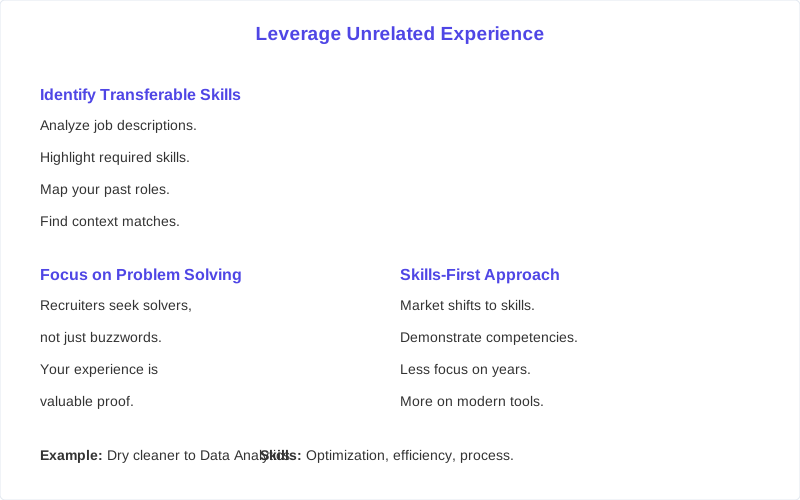
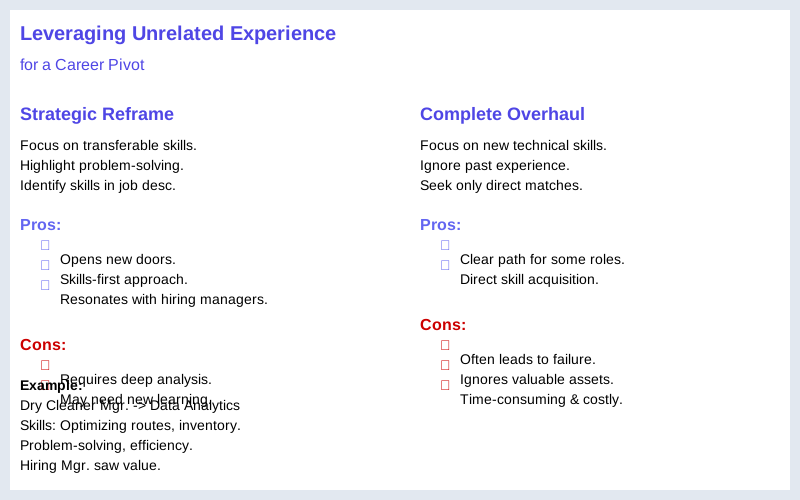
I once saw a guy pivot from managing a regional chain of 7 dry cleaning stores to a data analytics role at a major e-commerce company. His previous job involved optimizing delivery routes and inventory for 12,000 garments a week.
I once saw a guy pivot from managing a regional chain of 7 dry cleaning stores to a data analytics role at a major e-commerce company. His previous job involved optimizing delivery routes and inventory for 12,000 garments a week. He didn't have a single line of Python on his resume, but he knew how to move things efficiently and spot a bad process a mile away.
The hiring manager, who was tired of fresh grads who could code but couldn't organize a lunch order, saw the signal. Most career pivots fail because people think they need a complete overhaul, not a strategic reframe. They focus on what they don't have instead of what they do.
The Real Answer
Recruiters and hiring managers, especially in AI/ML, aren't just looking for buzzwords on a resume. They're looking for problem solvers. The actual job involves wrestling with messy data, convincing skeptical stakeholders, and debugging systems that constantly break. This isn't theoretical; it's the unglamorous 80 percent of the role. Your 'unrelated' experience often provides the very skills needed to survive this reality.


What's Actually Going On
The job market, particularly for AI/ML, is shifting from a 'years of experience' model to a 'skills-first' approach. College Recruiter highlights this fundamental shift. Companies are realizing that someone with two years of intense, modern AI tool experience might be more valuable than a ten-year veteran stuck in legacy systems. This opens doors for career changers who can demonstrate relevant competencies, regardless of their past job titles.

How to Handle This
First, deep-dive into the job descriptions you're targeting. Don't just skim for keywords. Print them out, highlight every single skill and responsibility, and then list out where you've done that, even if it was in a completely different context. For example, 'managed project timelines' from your retail job becomes 'project management' for an ML Ops role. The Muse suggests thinking outside your title.


What This Looks Like in Practice
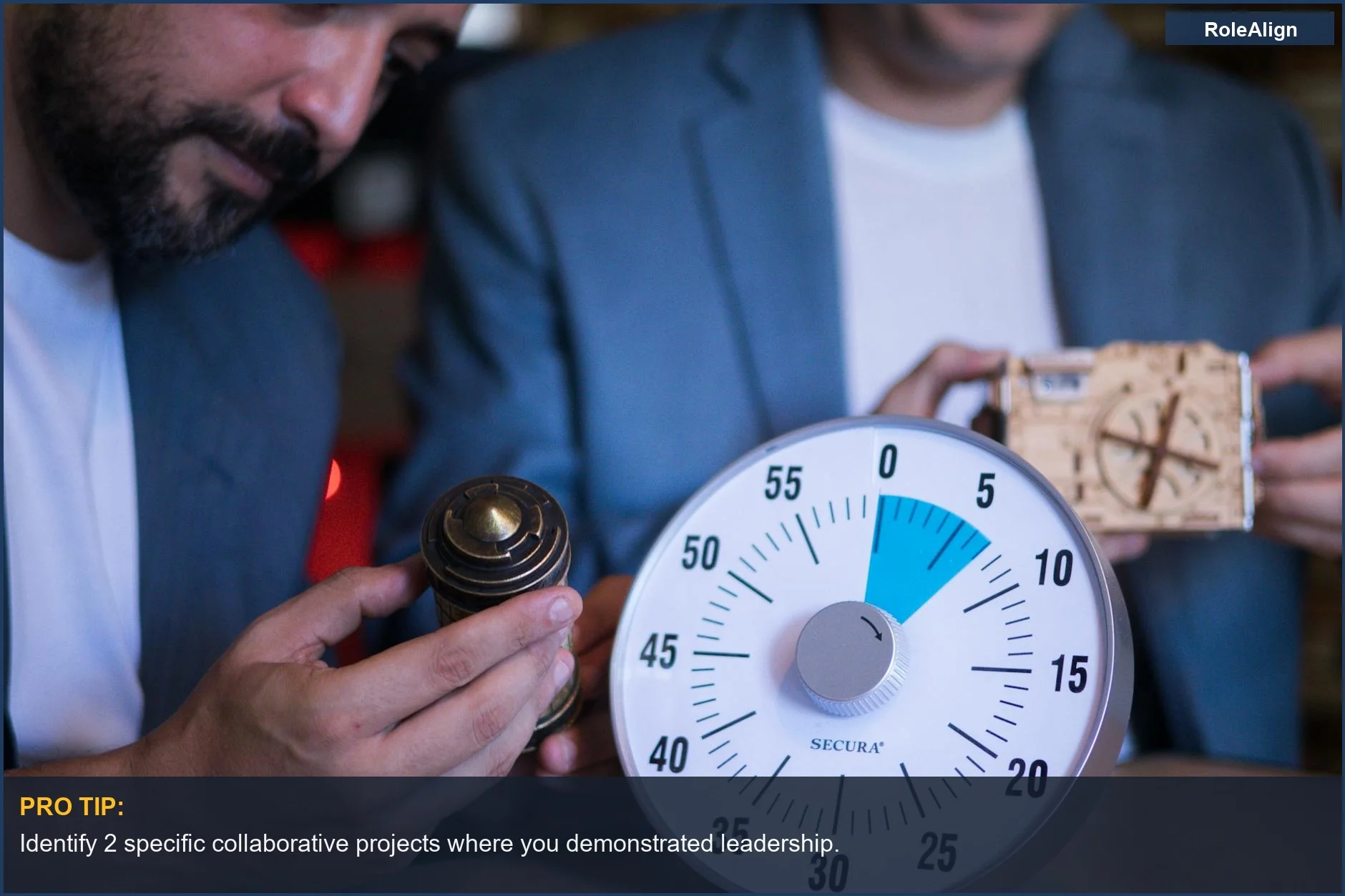
I saw a former high school teacher, who spent 10 years managing classrooms and curriculum, pivot into a Technical Program Manager role. Her 'unrelated' experience in wrangling 30 teenagers and coordinating parent-teacher conferences translated directly to managing engineering sprints and stakeholder expectations. She nailed the interviews by explaining how she handled a 25 percent increase in student enrollment with no additional staff, demonstrating resourcefulness and problem-solving.


Mistakes That Kill Your Chances
| Mistake | Why It Fails | Operational Reality Check |
| Ignoring the 'pivot tax' | Expecting equal pay/level immediately. | A 15-20 percent pay cut or a step down in seniority is common for the first 1-2 years. You're buying future equity. |
| Generic resume/cover letter | ATS filters out non-keywords; recruiters see no fit. | Recruiters spend 6 seconds per resume. If it doesn't scream 'relevant,' it's binned. |
| Focusing on *what* you did, not *how* you did it | Doesn't demonstrate transferable skills. | Nobody cares you 'managed a team.' They care *how* you managed a cross-functional team to deliver a project 10 percent under budget. |
| Not networking effectively | Relies solely on online applications. | 80 percent of jobs are found through networking. Your resume often gets a second look if referred. |
| Only taking online courses | Lacks practical application and real-world projects. | A Coursera certificate means nothing without a portfolio project demonstrating actual implementation, not just theory. |
| Bad storytelling in interviews | Cannot connect past experience to future role. | If you can't articulate *why* your past matters for *this* job, you're sunk. They need to see the bridge. |
Key Takeaways
- Skills over Titles: Focus on the underlying skills you've developed, not just your job titles. Unleash.AI emphasizes this shift from jobs to skills, highlighting how abilities like communication, problem-solving, and data analysis are universally applicable.
- Strategic Storytelling: Learn to articulate how your 'unrelated' experience directly prepares you for the challenges of your target role.
This means translating your past achievements into the language of your desired industry. * Embrace the Pivot Tax: Be realistic about initial compensation and seniority. A short-term investment can lead to long-term career satisfaction and higher earning potential. * Targeted Learning: Supplement your existing skills with highly specific, practical knowledge relevant to the new field, focusing on projects that mimic real-world problems.
This is about signal vs hype; show you can actually build something, not just talk about it. * Network Relentlessly: Your network is your cheat code. People are more likely to take a chance on a referral than a cold application, especially when you're making a significant career change. This is the unglamorous part of job hunting that actually pays dividends.